Watercolour is not limited to traditional pans and tubes. Today, there are many water-soluble tools that combine the qualities of drawing and painting, allowing artists to use watercolour techniques in entirely different ways
Watercolour pencils, markers, and other water-activated tools are excellent for sketching, detailed illustration, and more experimental work. They can serve as a bridge between drawing and painting while often offering more control than traditional watercolour.
Watercolour Pencils
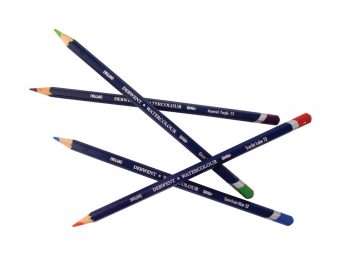
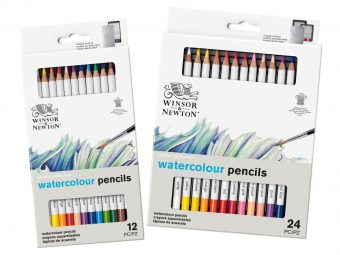
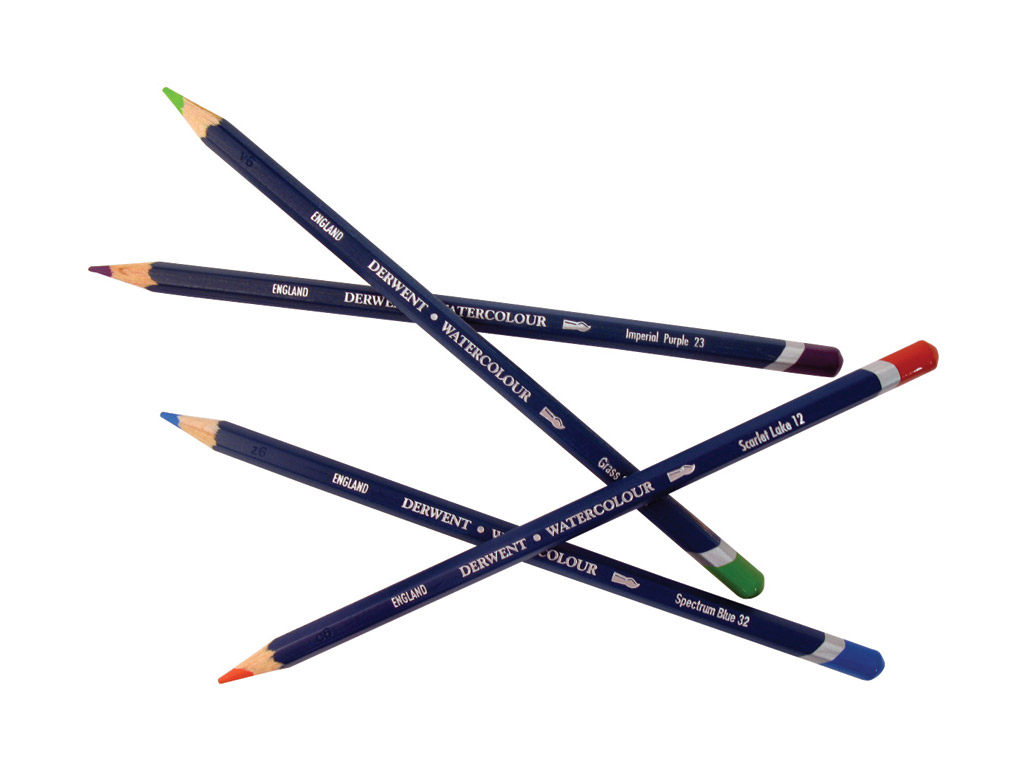
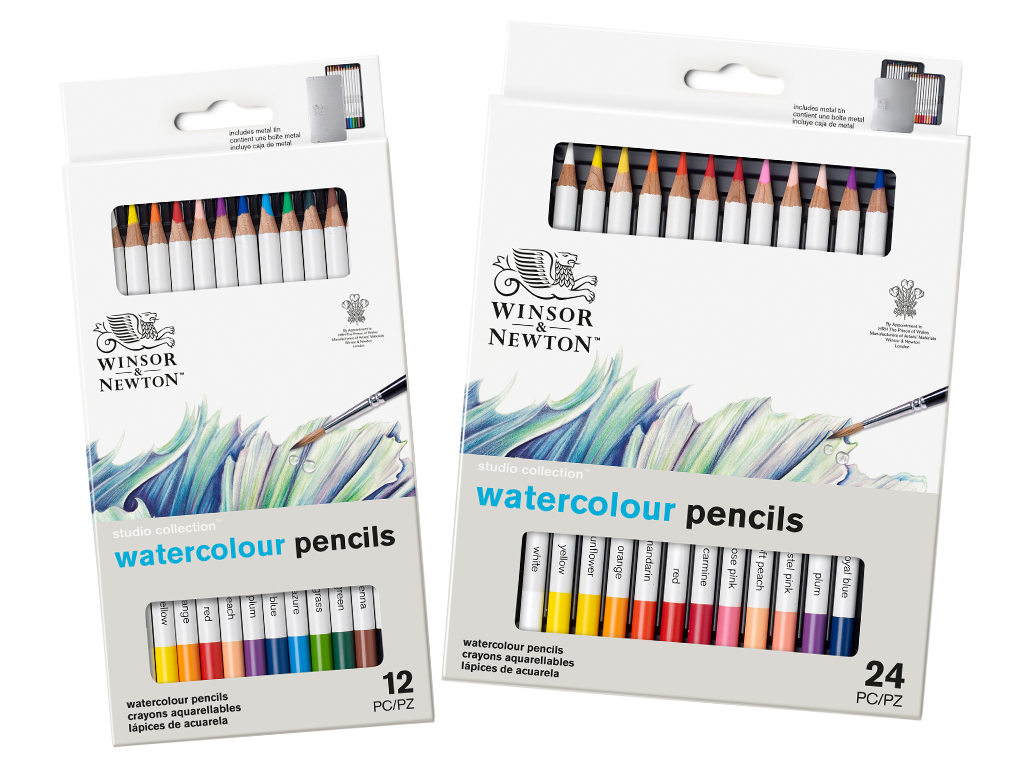
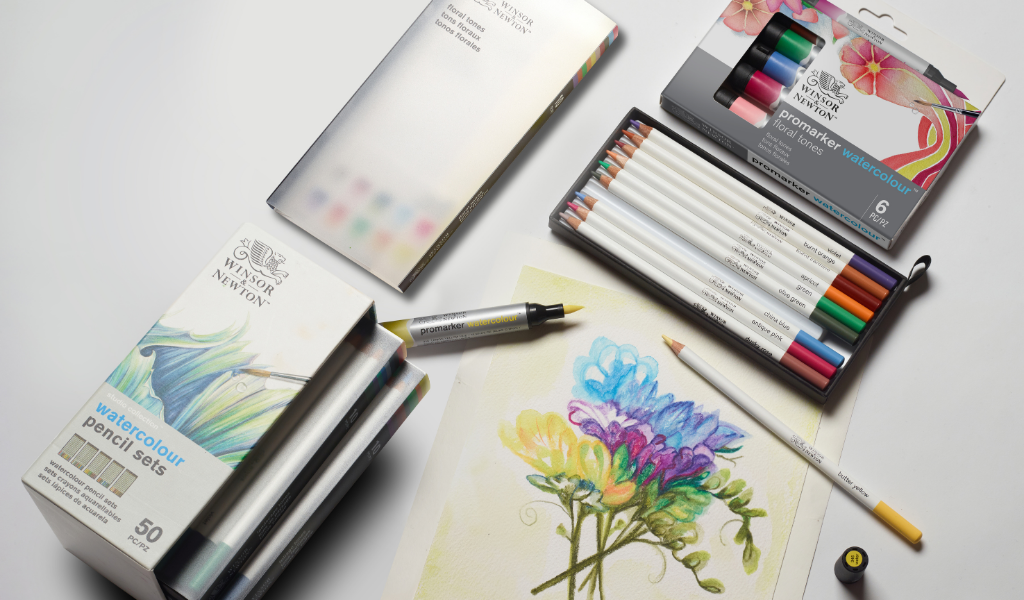
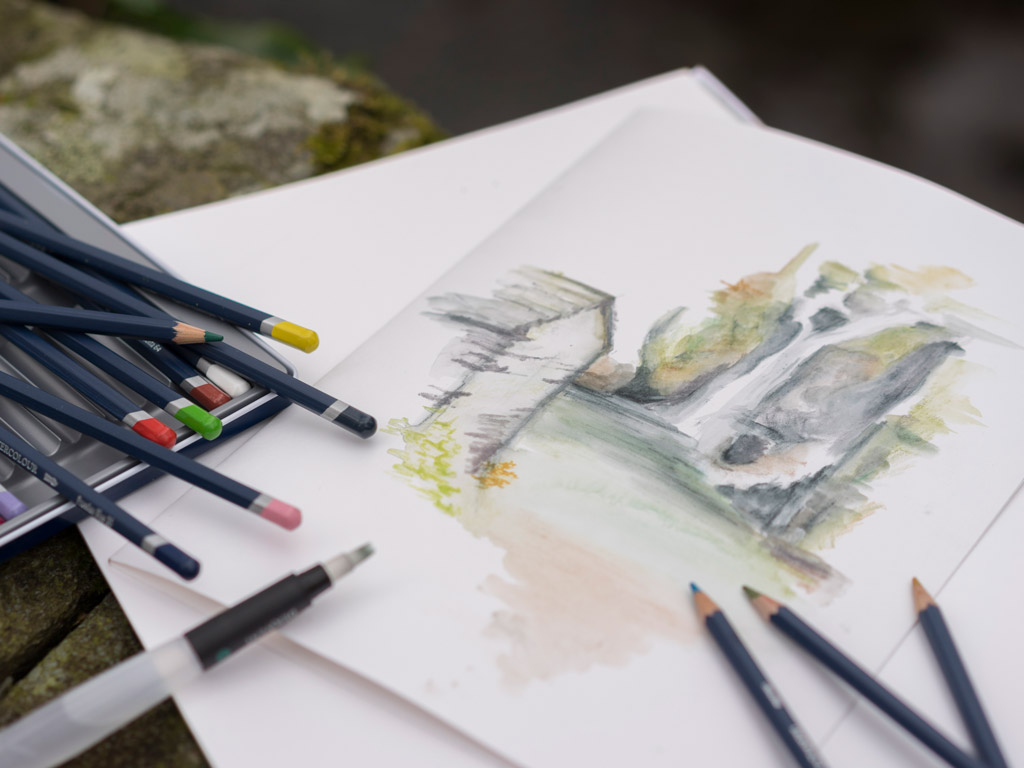
Watercolour pencils look like ordinary coloured pencils, but when water is added, the pigment transforms into a watercolour-like paint. This allows artists to combine precise linework with painterly effects.
There are several ways to use them. The most common method is to draw first and then dissolve the pigment with a wet brush. Colour can also be picked up directly from the pencil tip using a damp brush, or the pencils can be used to add details to an already painted surface. Watercolour pencils should not be dipped directly into water, as this can damage the wooden barrel and make the pencil more prone to cracking over time.
Many artists appreciate watercolour pencils because of the control they offer. They are particularly useful for sketching, layering, and adding details in situations where traditional watercolour may feel too fluid or unpredictable.
P.S. If it is not immediately obvious from the name whether a pencil is water-soluble, check the symbols printed on the barrel. Many manufacturers use a small brush icon or water droplet to indicate that the pigment can be activated with water.
Watercolour Markers and Felt-Tip Pens
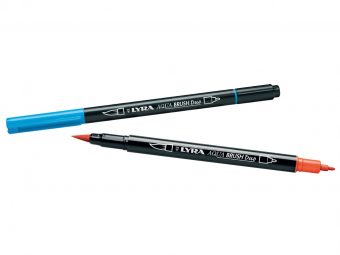
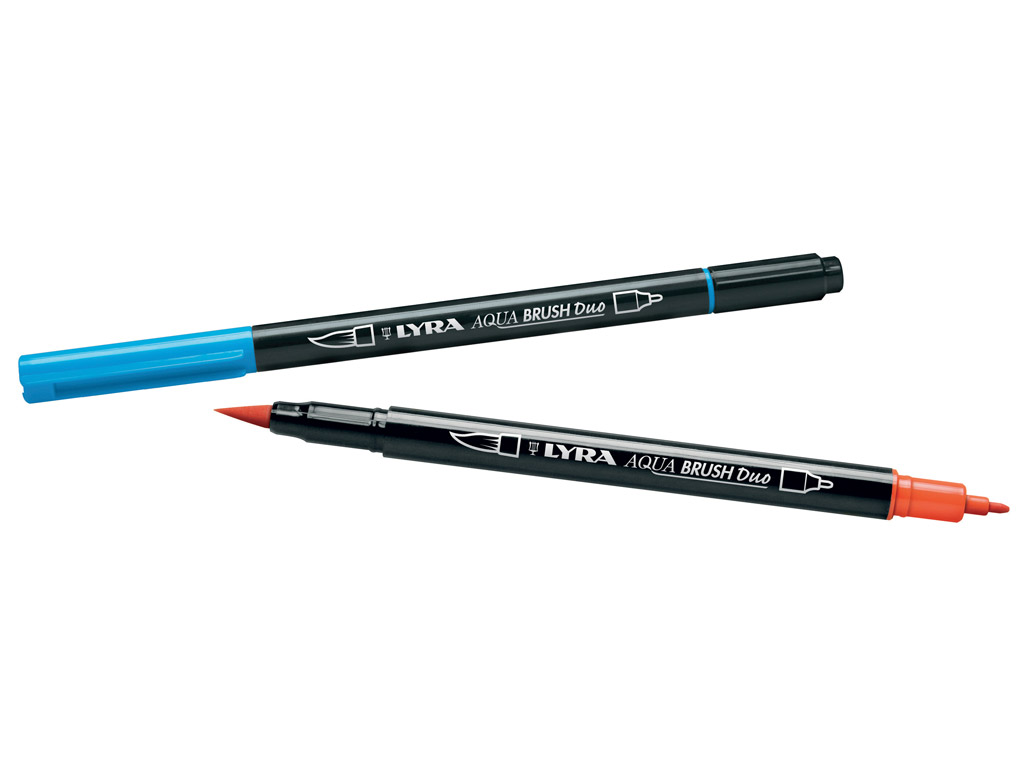
Watercolour markers and felt-tip pens combine the speed of drawing with the fluidity of watercolour. They are often used in illustration, decorative lettering, urban sketching, and anywhere colour needs to be applied quickly and blended later with water.
Depending on the tool, the result can be soft and painterly or more intense and graphic. Brush-tip markers allow both fine lines and broad strokes, making them particularly versatile.
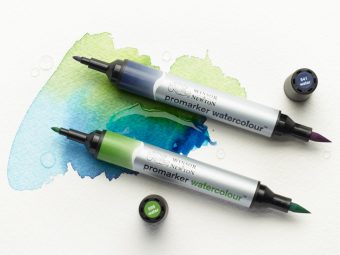
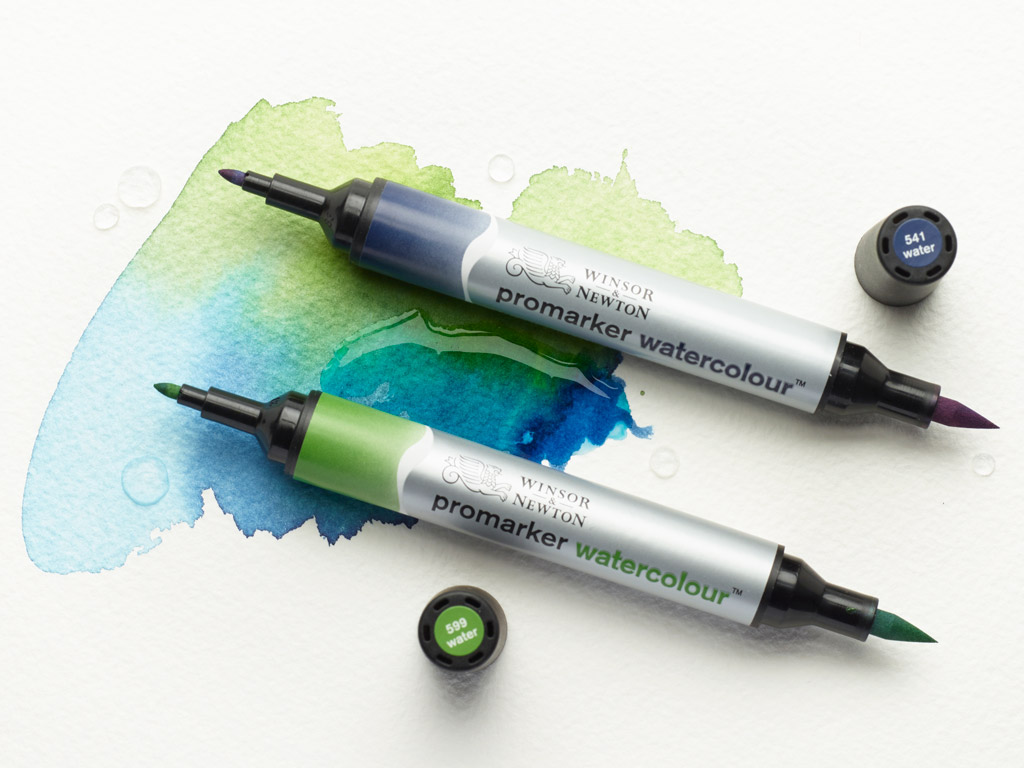
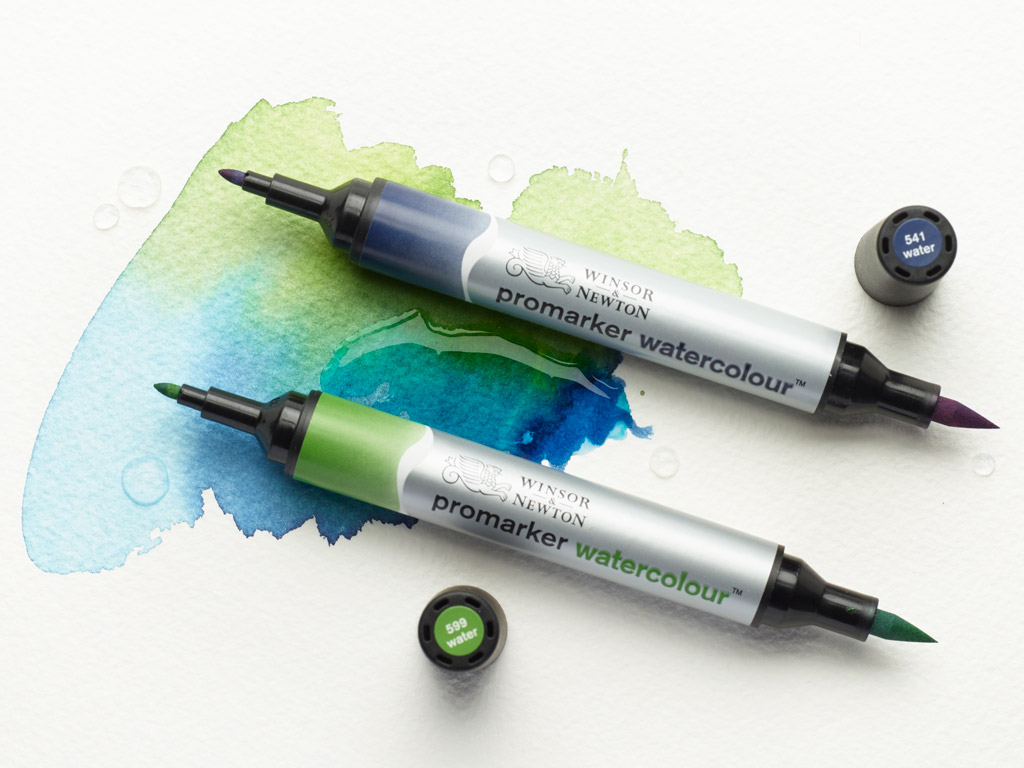
Although many water-soluble markers use a water-soluble ink system, some behave much more like traditional watercolour. For example, Winsor & Newton Promarker Watercolour markers are filled with professional watercolour paint. When blended with water, the colours become softer and more natural, closely resembling the behaviour of traditional watercolour.
Watercolour markers and felt-tip pens are also ideal for artists who want compact, portable tools that require minimal preparation.
P.S. Interestingly, many children’s felt-tip pens are also water-soluble. Packaging often includes labels such as “washable” or “easy wash.” While they are not designed as professional watercolour markers, experimenting with water can produce surprisingly watercolour-like effects.
Derwent’s Water-Soluble Specialty Ranges
In addition to traditional watercolour pencils, there are tools that sit somewhere between watercolour, drawing, and mixed media. Derwent is particularly well known for these more experimental materials.
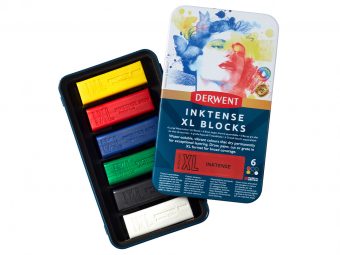
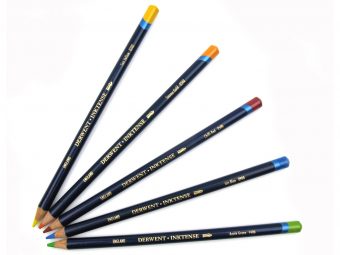
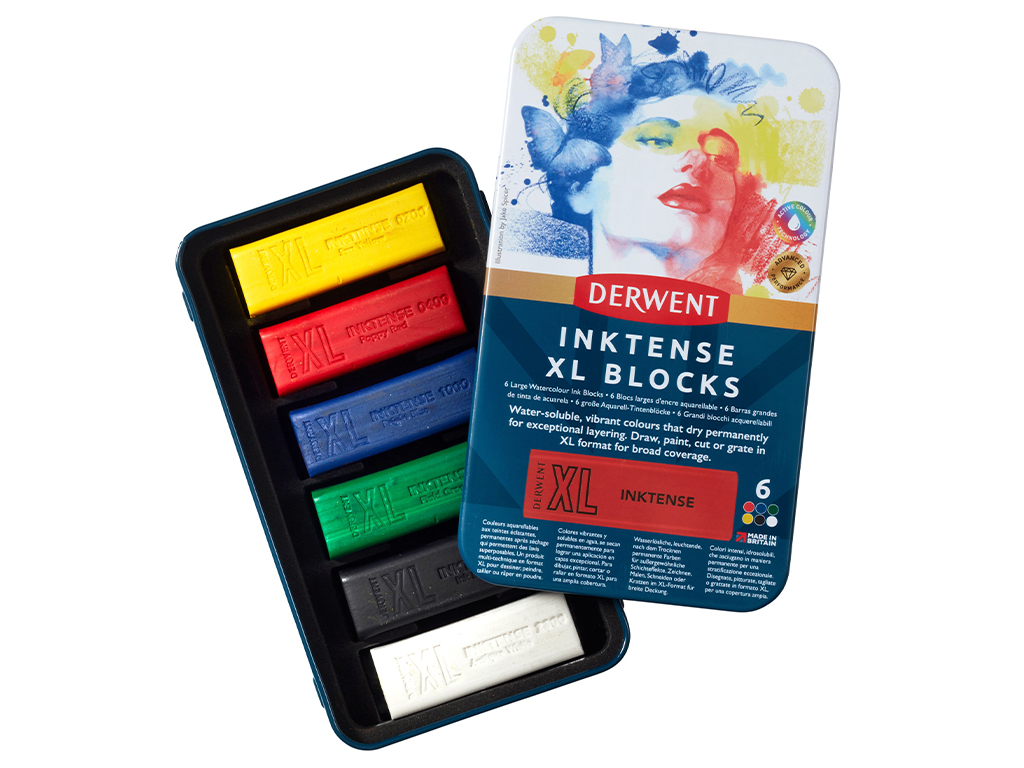
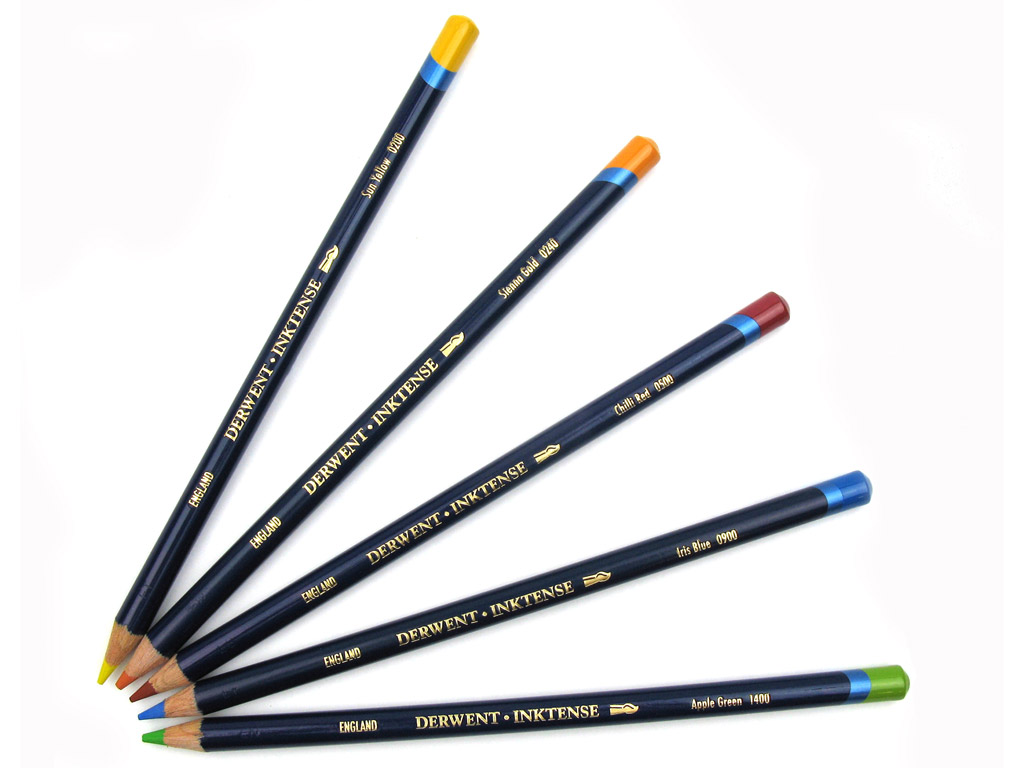
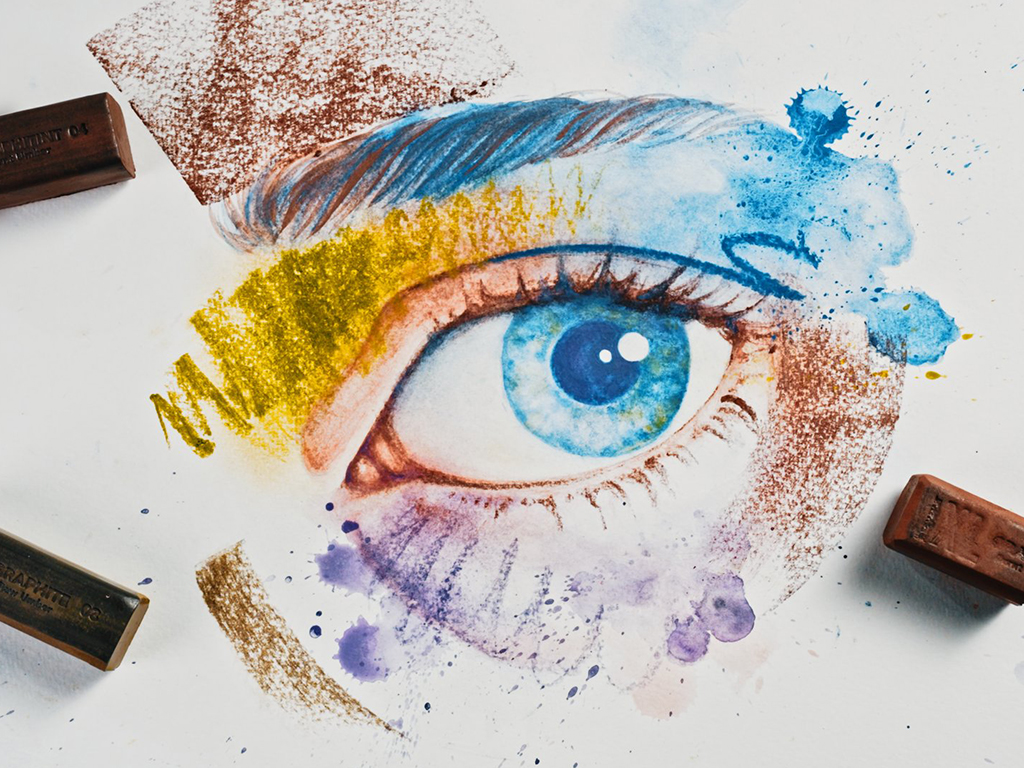
- The Inktense range is one of Derwent’s most popular and recognisable water-soluble collections. Inktense pencils, pans, blocks, and XL blocks contain ink-based pigment that becomes permanent once dry. This allows artists to build layers without reactivating the colours underneath. Thanks to their intense colour strength, Inktense products are often used on fabric and other unconventional surfaces as well.
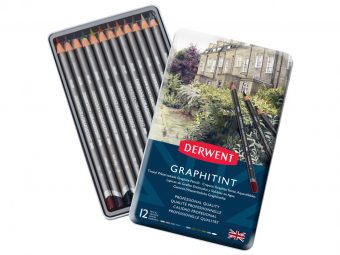
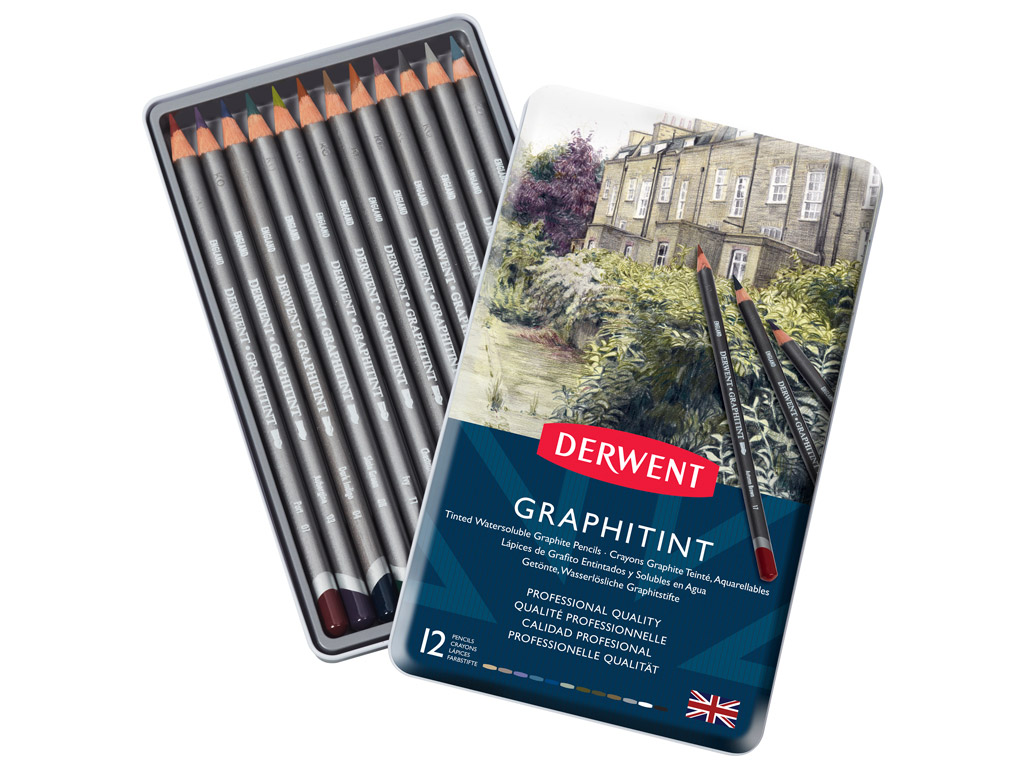
- Graphitint pencils, pans, and XL blocks combine graphite with subtle colour pigments, creating muted, earthy tones. When used dry, the colour is often only faintly visible, but once water is added, the tones become noticeably richer and more vibrant. The result sits somewhere between graphite drawing and watercolour, making these tools particularly suitable for landscapes and sketch work.
- Tinted Charcoal pencils, pans, and XL blocks add subtle colour to traditional charcoal while retaining charcoal’s soft, matte character. When activated with water, the colours become even smokier and more painterly.
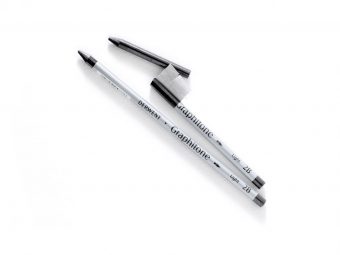
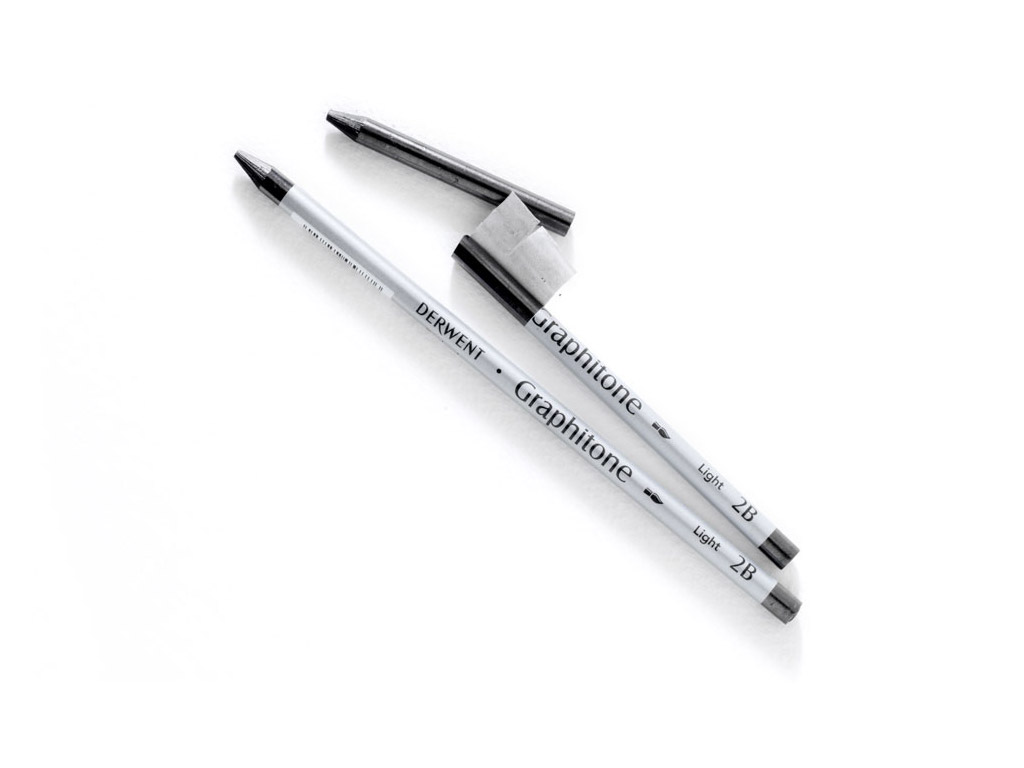
- Derwent also offers water-soluble graphite products such as Graphitone and water-soluble Sketching pencils, allowing artists to combine traditional graphite drawing with watercolour-like effects.
- Pastel pans offer a different approach from traditional transparent watercolours. These colours dry to a softer, more matte, almost gouache-like finish and can be used in more opaque layers without disturbing the colours underneath.
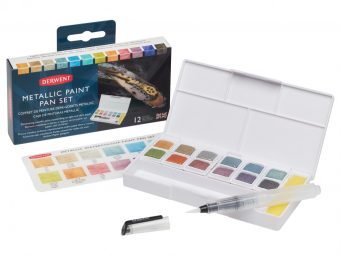
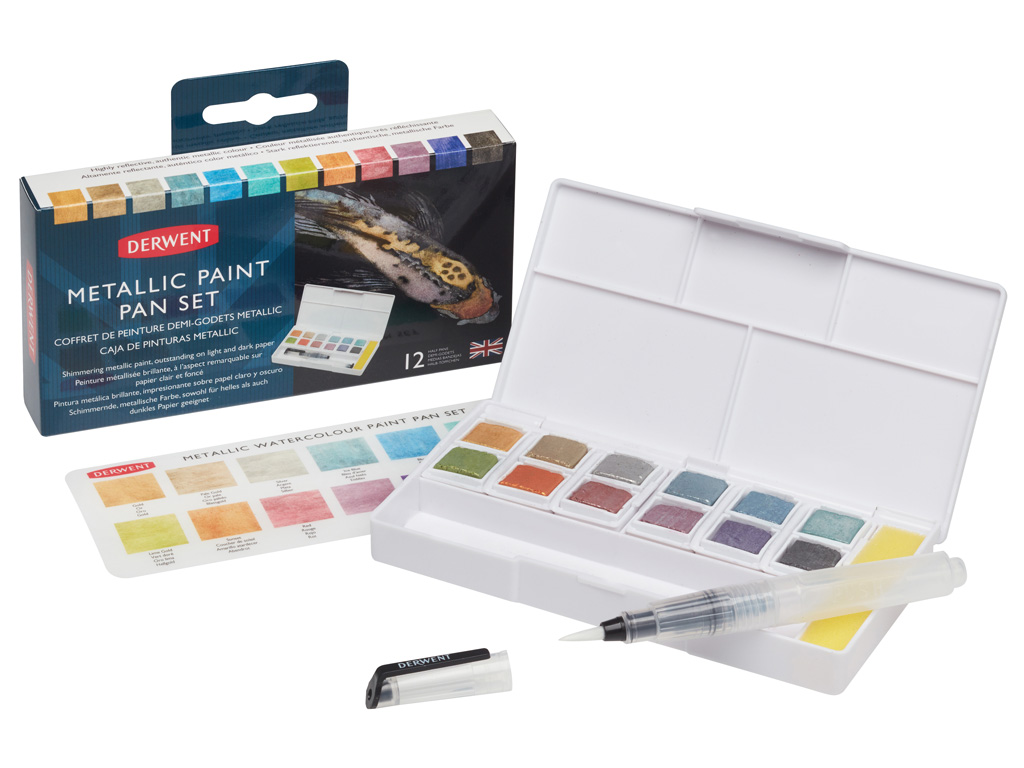
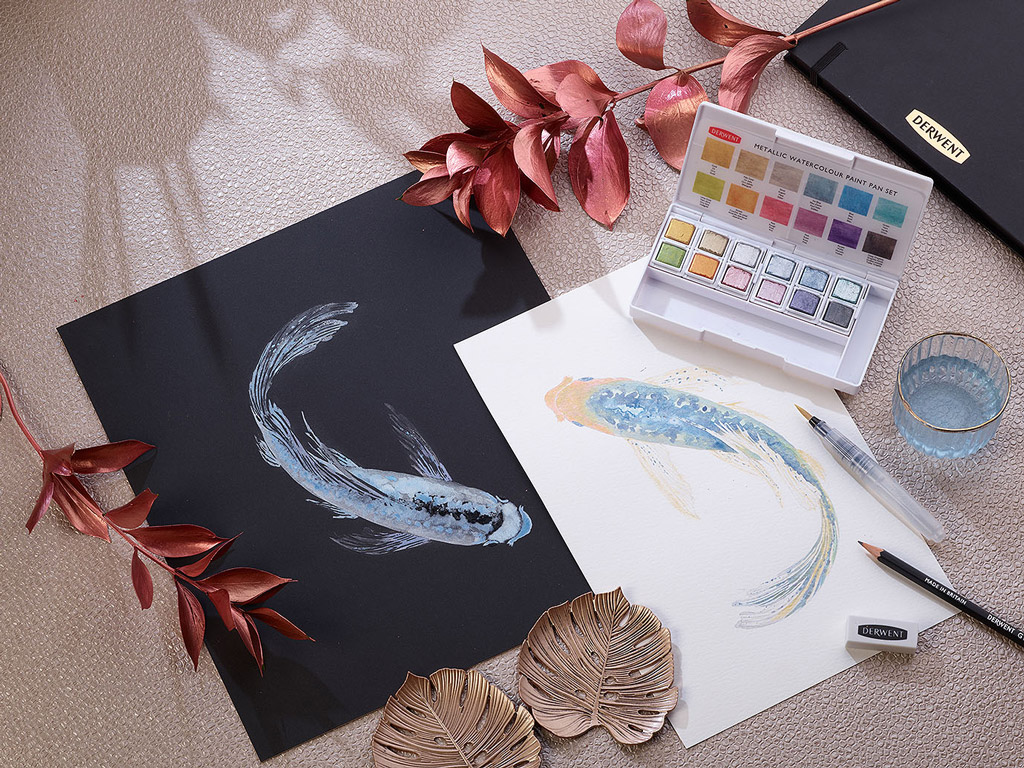
- Metallic pans contain extremely fine metallic pigments that create a shimmering effect on both light and dark papers. Their reflective quality remains visible even after drying, making them an interesting addition to illustrations and decorative artwork.
More Ways to Experiment
Water-soluble tools do not have to replace traditional watercolour. In many cases, they are used alongside conventional watercolour paints to add details, texture, or additional layers.
This is exactly why these tools appeal to artists who enjoy combining techniques and exploring new approaches. Sometimes the most interesting results emerge when the boundaries between drawing and painting begin to blur.