
The shape of a paintbrush has a greater impact on your painting than you might think. The same paint and technique can produce completely different results depending on the brush you use. Some brushes create soft, seamless blends, while others are better suited for fine details, textures, or long, decorative strokes.
When choosing a brush, artists often focus on its size or hair type, but the shape is just as important. The tip of the brush largely determines the marks it leaves on paper or canvas, as well as the level of control, fluidity, and variation you can achieve with each stroke.
In this article, we’ll take a closer look at different brush shapes, the distinctive marks they create, and the techniques and subjects they are most commonly used for.
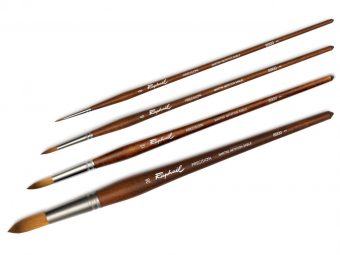
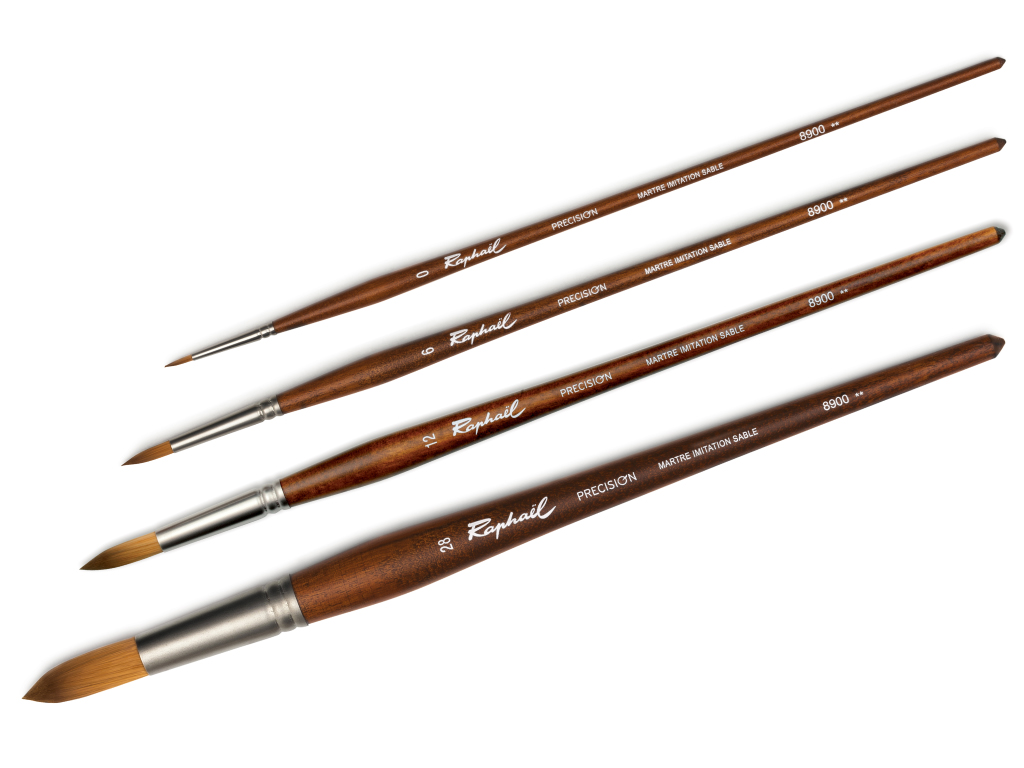
The round brush is one of the most versatile and widely used brush shapes. Its pointed or rounded tip allows you to create both fine details and broader brushstrokes, depending on how much pressure you apply.
With a light touch, it produces precise lines and small details. By increasing the pressure, you can create wider, more expressive strokes. This versatility makes the round brush an excellent choice for sketching, detailed work, and everyday painting.
Round brushes are especially popular for watercolour painting, but they are equally suitable for acrylic, gouache, and other fluid painting mediums.
Best for:
- details and line work
- varied brushstrokes
- all-purpose painting

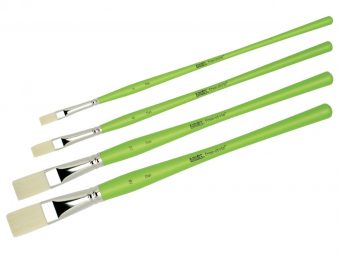
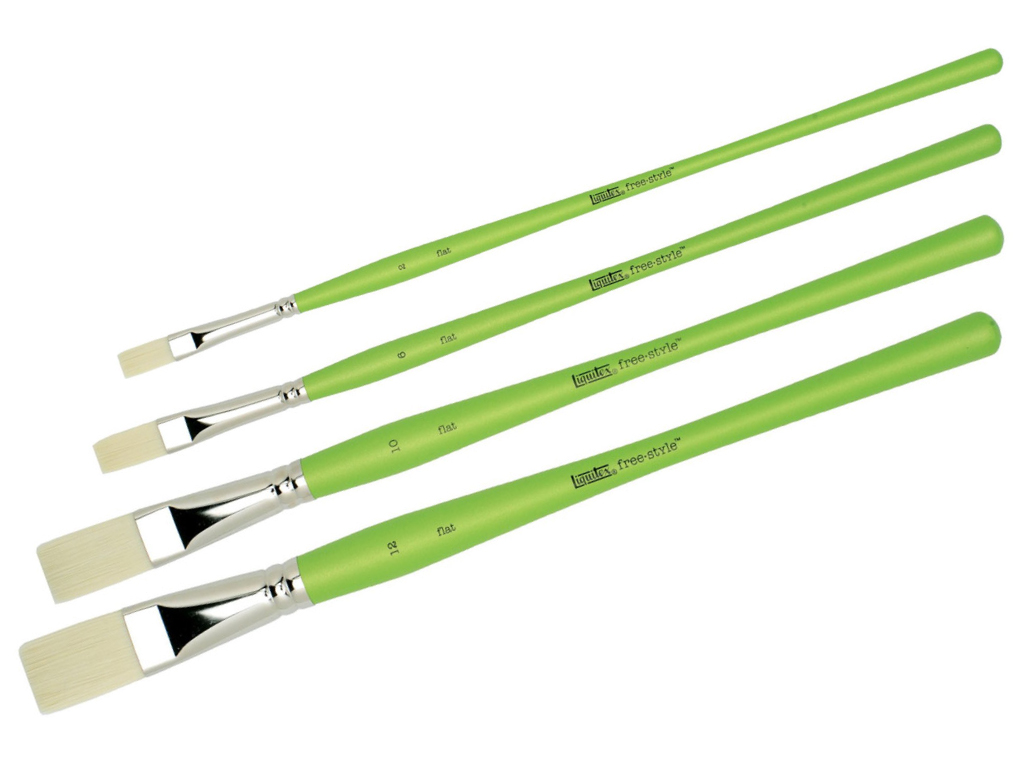
The flat brush features a wide, straight edge that makes it ideal for covering large areas quickly and creating bold, clean-edged brushstrokes. It can be used flat for broad colour applications or on its edge for finer lines.
Flat brushes are excellent for painting geometric shapes, crisp edges, and even colour areas. They are also commonly used for backgrounds and covering larger surfaces.
Depending on the angle at which it is held, a flat brush can produce anything from broad rectangular strokes to narrow, sharp lines.
Best for:
- large areas and backgrounds
- straight edges and geometric shapes
- bold, even brushstrokes

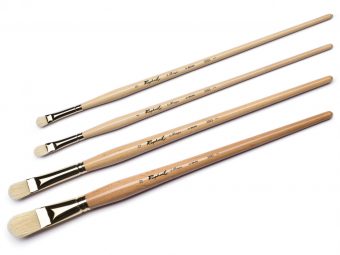
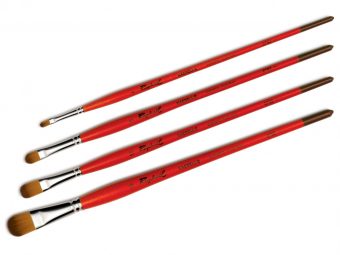
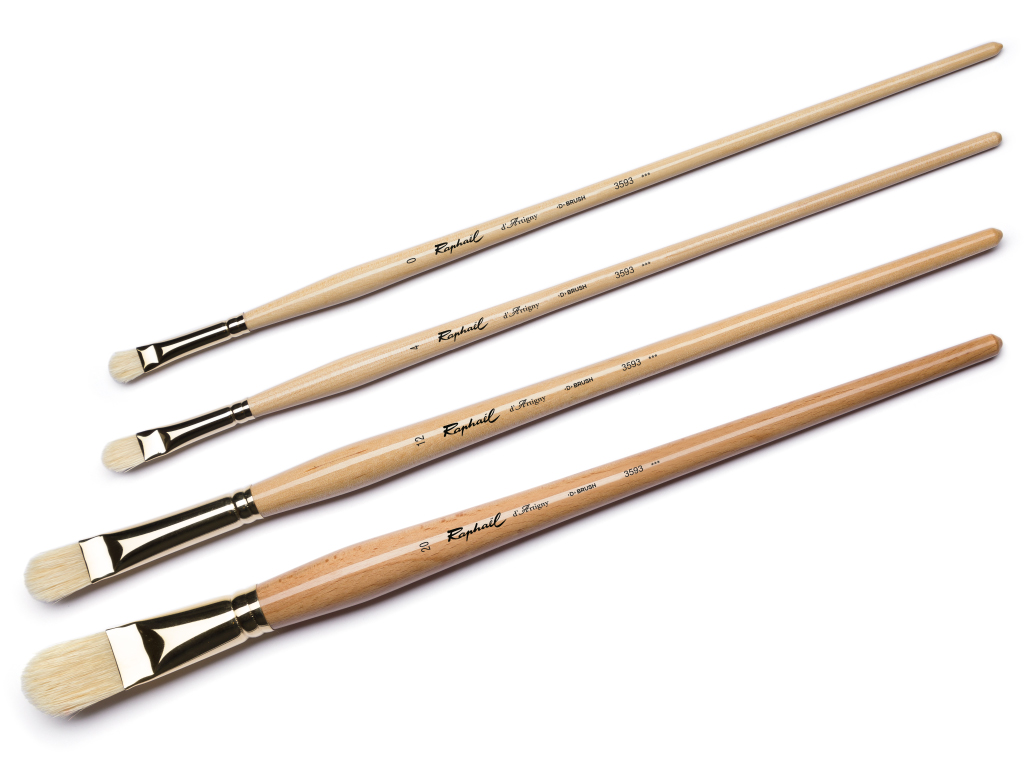
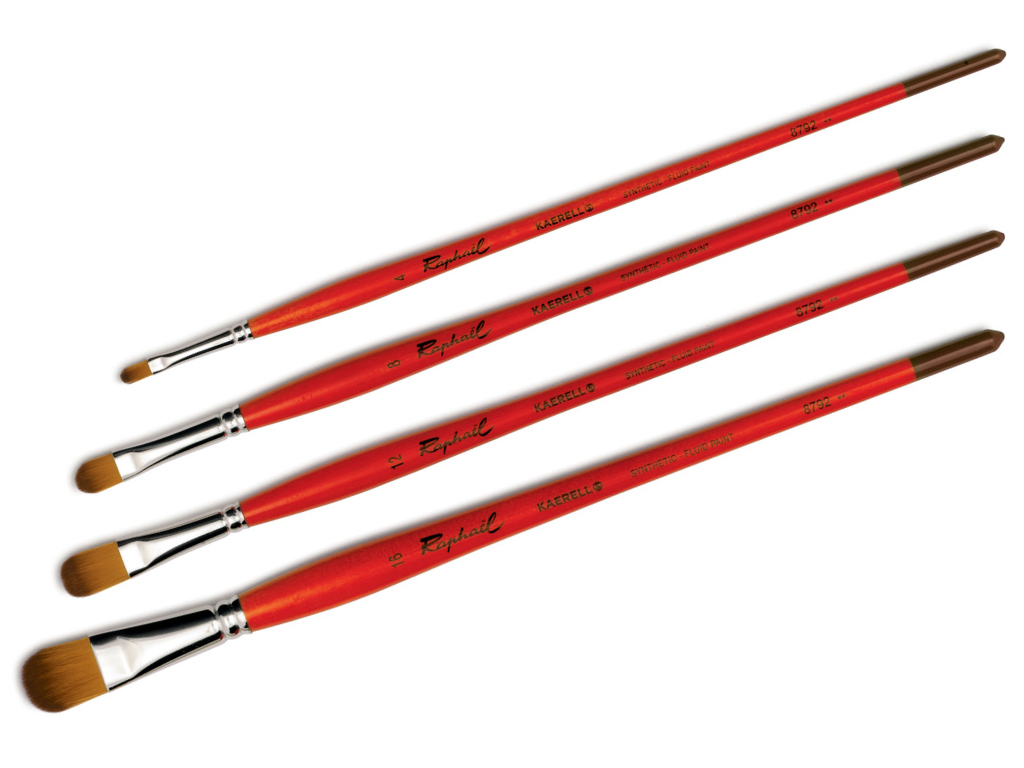
The filbert combines the characteristics of both round and flat brushes. Its softly rounded, oval tip creates gentler edges than a traditional flat brush while still offering excellent control and good paint coverage.
Filberts are particularly well suited for organic forms, soft transitions, and flowing shapes. They are often used for painting flower petals, clouds, skin tones, and other subjects with soft edges.
Thanks to its rounded profile, the filbert produces more natural-looking brushstrokes, making it a favourite bridge between the round and flat brush.
Best for:
- soft edges and blends
- organic forms
- flower petals and leaves

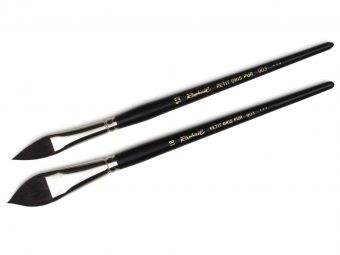
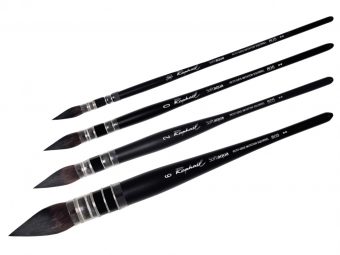
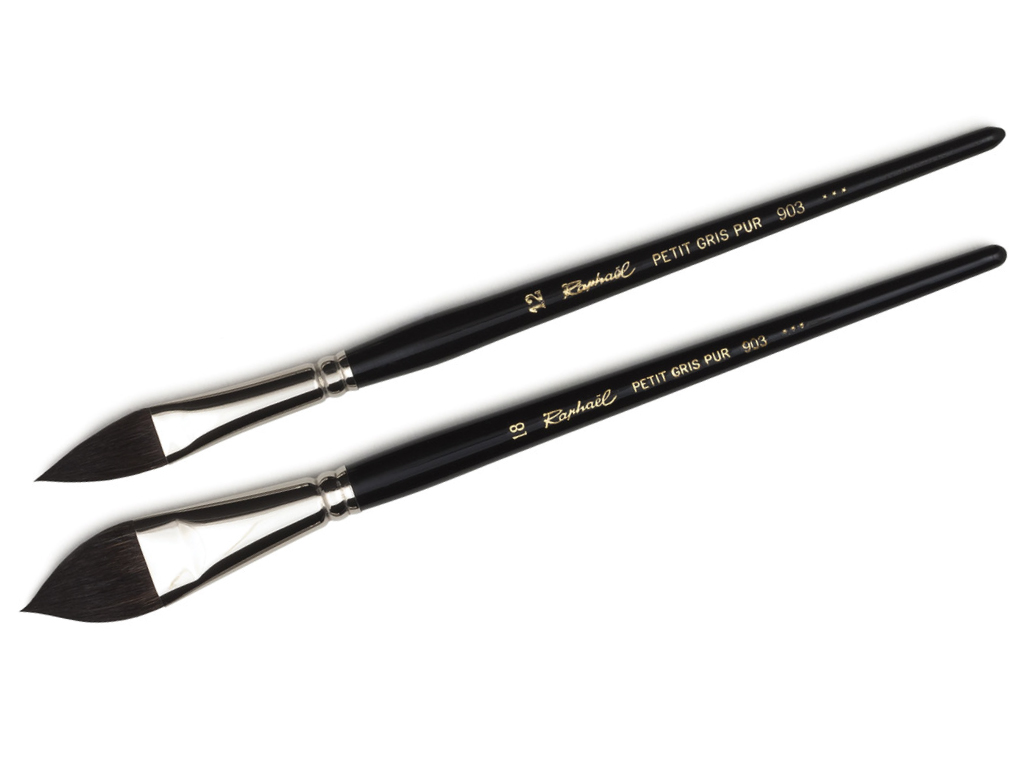
The cat’s tongue brush resembles a filbert but features a noticeably more pointed tip. This allows it to combine broad brushstrokes with finer detail work in a single brush.
The pointed tip provides greater control over smaller details and narrow shapes, while the wider body of the brush produces soft, flowing strokes. As a result, cat’s tongue brushes are often used for botanical subjects, flower petals, and decorative brushwork.
Thanks to its shape, the cat’s tongue brush works well with watercolour, gouache, and acrylic, allowing artists to paint larger forms and finer details using the same brush.
Best for:
- botanical subjects
- detailed organic shapes
- varied line widths

The angle brush is a flat brush with a diagonally cut tip, allowing you to create both fine and broad brushstrokes with ease. The pointed corner offers excellent control when painting edges, curves, and narrow areas.
This brush shape is frequently used for florals, decorative painting, and calligraphic strokes. It is also particularly useful in areas that are difficult to reach with a standard flat brush.
Its angled shape allows you to vary the width of a stroke in a single movement, creating dynamic and expressive marks.
Best for:
- flowers and leaves
- edges and corners
- decorative and calligraphic brushwork

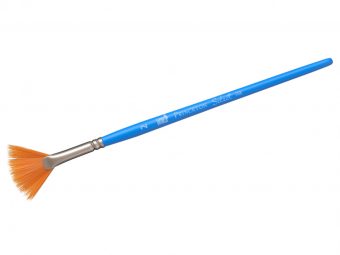
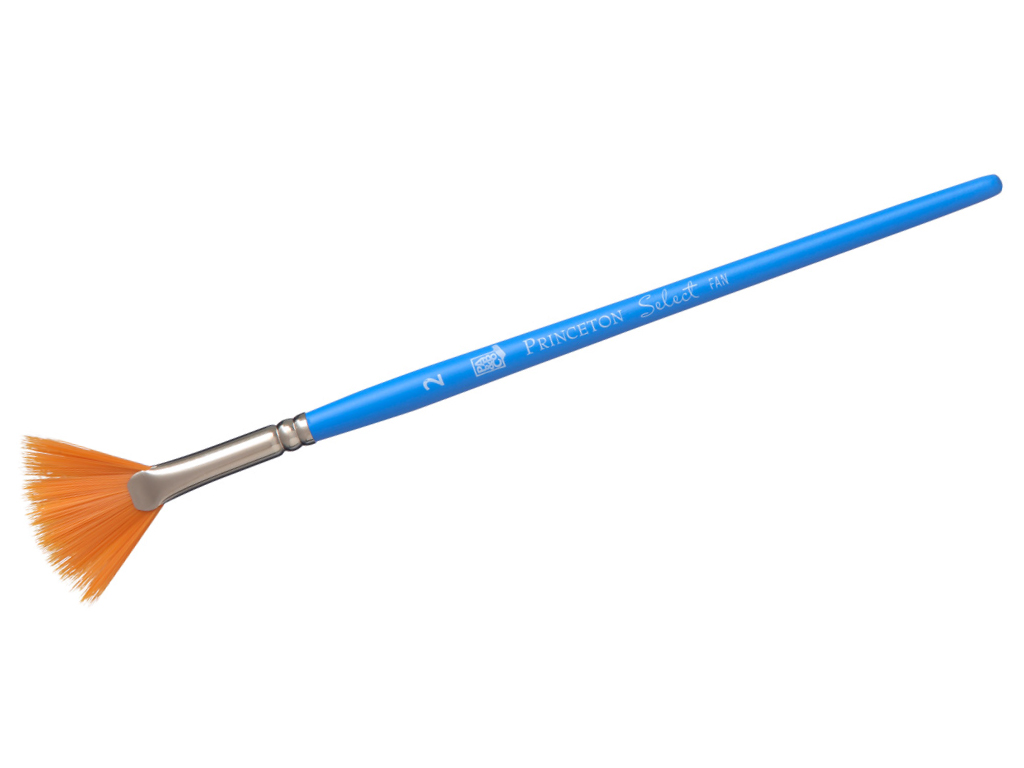
The fan brush features bristles spread into a fan shape, making it ideal for creating light, broken, and textured brushstrokes. It is commonly used for softening edges, blending colours, and painting natural textures.
Fan brushes are perfect for painting grass, foliage, fur, clouds, and other airy or repetitive natural forms. They are also useful for blending colours and creating soft transitions.
Because of the way the bristles are arranged, fan brushes produce lighter, airier marks than most other brush shapes.
Best for:
- grass and foliage
- textures and fur
- blending and softening

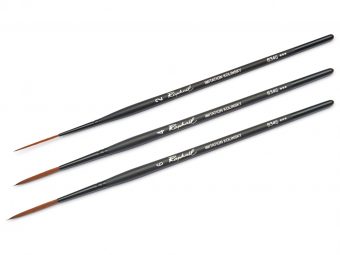
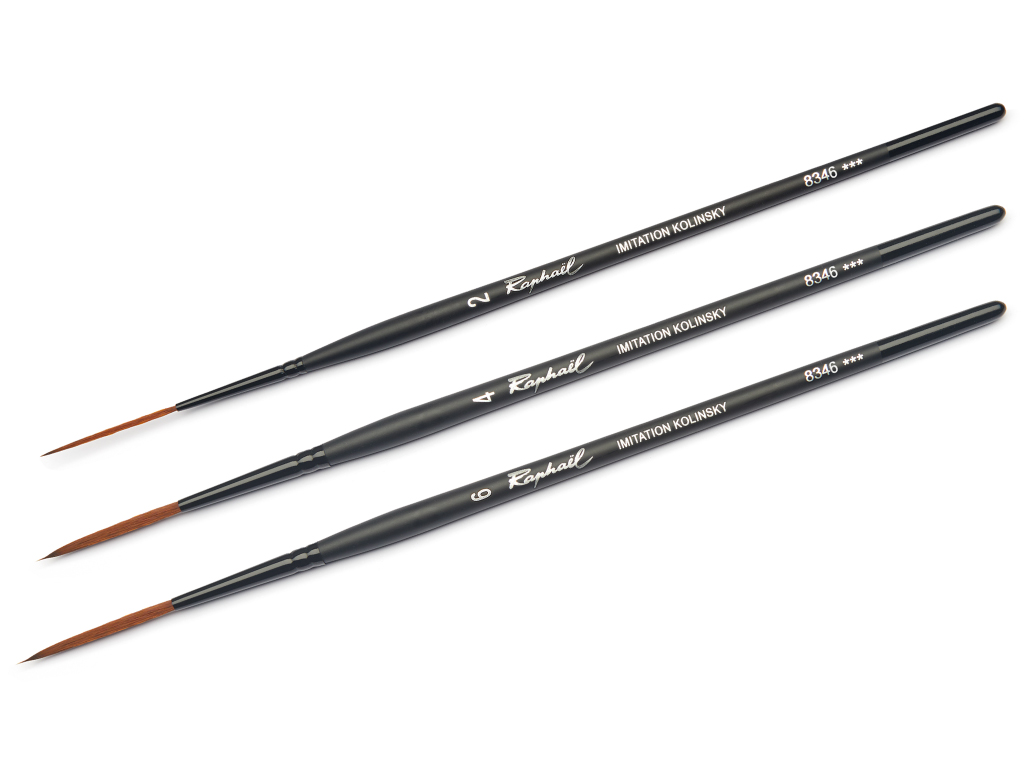
The liner brush features a long, fine tip designed for creating delicate, flowing, uninterrupted lines.
It is ideal for painting fine details, outlines, decorative elements, and long continuous strokes. It is also widely used for branches, stems, hair, calligraphic details, and signatures.
Compared to a standard detail round brush, a liner allows for longer, smoother strokes in a single movement.
Best for:
- fine details and outlines
- long flowing lines
- decorative and calligraphic work

The grainer brush features bristles of varying lengths that create broken, textured, and natural-looking brush marks. This type of brush is commonly used for painting grass, fur, wood grain, feathers, and other textured surfaces.
The uneven bristles produce more interesting and less uniform marks than a standard flat brush. This makes the grainer particularly effective for dry brush techniques and adding texture and visual interest.
Best for:
- creating texture
- grass, fur, and wood grain
- dry brush techniques

The mop brush is a soft, full-bodied brush that holds a large amount of water or fluid paint. In watercolour painting, it is commonly used for painting large washes, wetting the paper, and creating flowing colour transitions. Thanks to its excellent water-holding capacity, the mop is one of the classic brush shapes for working with large amounts of water.
In acrylic, gouache, and oil painting, a dry mop brush is often used to soften transitions and blend visible brushstrokes. Its soft bristles help smooth colour edges and create seamless tonal transitions.
Best for:
- wetting large areas
- watercolour washes and backgrounds
- soft blends and transitions

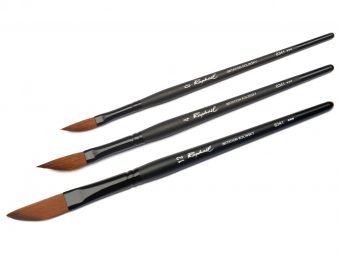
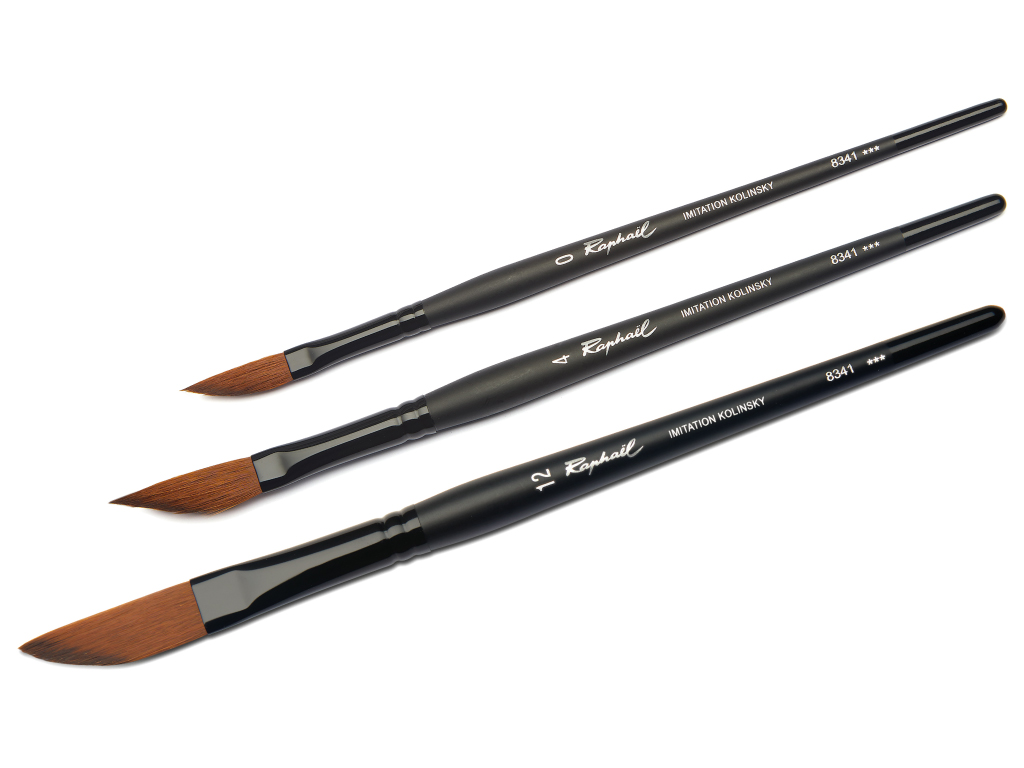
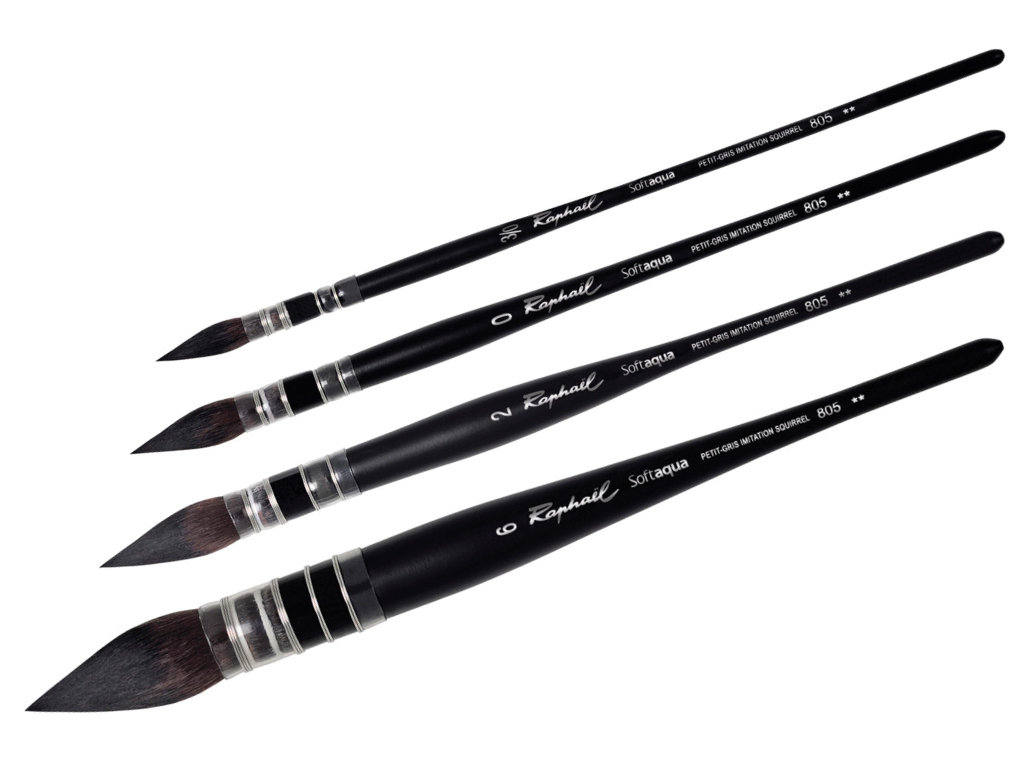
The dagger brush is recognised by its long, sharply angled tip. It allows artists to create strokes of dramatically varying widths in a single movement, transitioning from fine lines to broad strokes with ease.
Its distinctive shape makes it ideal for decorative painting, botanical subjects, and expressive brushwork. Simply changing the angle of the brush can dramatically alter the width and character of the stroke.
Dagger brushes are frequently used for painting leaves, petals, branches, and calligraphic brushstrokes where movement and flow are essential.
Best for:
- leaves and petals
- decorative and calligraphic strokes
- dynamic brushwork

Raphaël’s D-Brush is an innovative two-in-one brush that combines the characteristics of both a round and a flat brush. Its distinctive D-shaped ferrule creates two different working surfaces: one flatter and firmer, the other rounder and more flexible.
The flat side is ideal for applying paint, spreading colour, and making bold brushstrokes, while the rounded side excels at softening edges and blending colours to create smooth transitions.
This unique design allows artists to achieve a variety of effects without changing brushes, simply by rotating the brush in their hand.
Best for:
- applying and blending paint
- soft transitions and colour blending
- special effects and rounded forms

From Experimentation to Your Own Style
Every brush leaves a unique mark, and the shape of the brush plays a major role in how paint flows, blends, and forms shapes. Some brushes are ideal for soft transitions, while others excel at fine details or creating texture. Even when using the same paint and technique, different brush shapes can produce remarkably different results.
Choosing the right brush shape isn’t about following strict rules. More often than not, favourite brushes are discovered through experimentation, and the same brush can be used in countless ways depending on an artist’s style and technique. That’s why it’s worth trying different shapes and observing the unique marks and effects they create.
Some artists complete nearly an entire painting using a single versatile round brush, while others reach for different shapes to achieve specific effects. A fan, dagger, or grainer can create interesting textures and expressive brushwork, while a mop brush excels at soft watercolour blends and a liner makes long, flowing lines effortless.
Ultimately, the best brush is the one that supports your creative process and helps you achieve the results you’re looking for. Understanding different brush shapes opens up more opportunities to experiment and develop a deeper understanding of how brush marks influence the overall character of a painting.