
When decorating textiles and other flexible materials, it is important to remember that different surfaces behave differently when painted. Delicate, highly absorbent silk calls for different paints and techniques than leather, where paint adhesion and flexibility are especially important.
In this Textile 101 post, we look at which paints to choose for silk and leather, how to use them and what to keep in mind for a lasting result.
Painting on silk
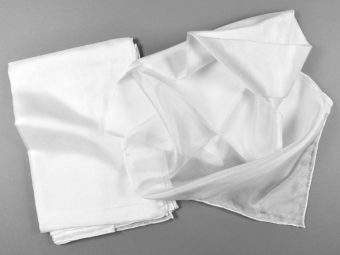
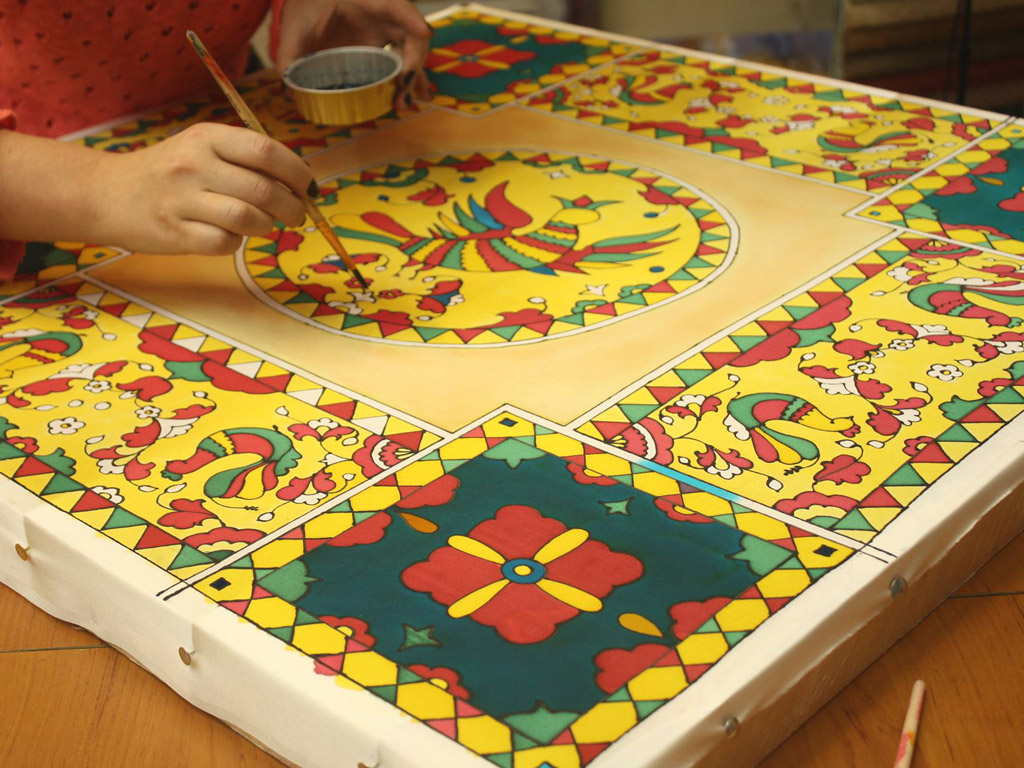
Silk is a lightweight, smooth and highly absorbent material. Fluid silk paint spreads quickly across the fabric, allowing you to create soft transitions and watercolour-like areas of colour. Specialised silk paints soak into the fibres without leaving a thick layer on the surface, helping the silk retain its softness and natural sheen.
Before painting, gently wash the silk if needed to remove any finishing agents left on the fabric. Stretch the dry silk over a frame so that it stays taut while you work and does not touch the surface beneath it.
You can paint freely on silk, letting the colours blend into one another, or control their spread with a silk paint outline, also known as gutta, or liquid wax.
Which paints should you choose for silk?
When choosing a paint for silk, consider the result you want and how the paint needs to be fixed. Dupont offers silk paints that can be fixed either with an iron or with steam. Marabu Textil fabric paint can also be used for smaller motifs on the fabric surface.
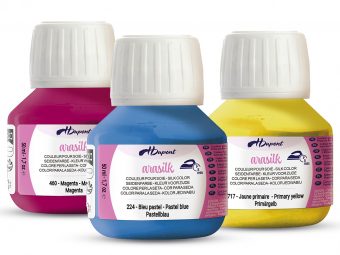
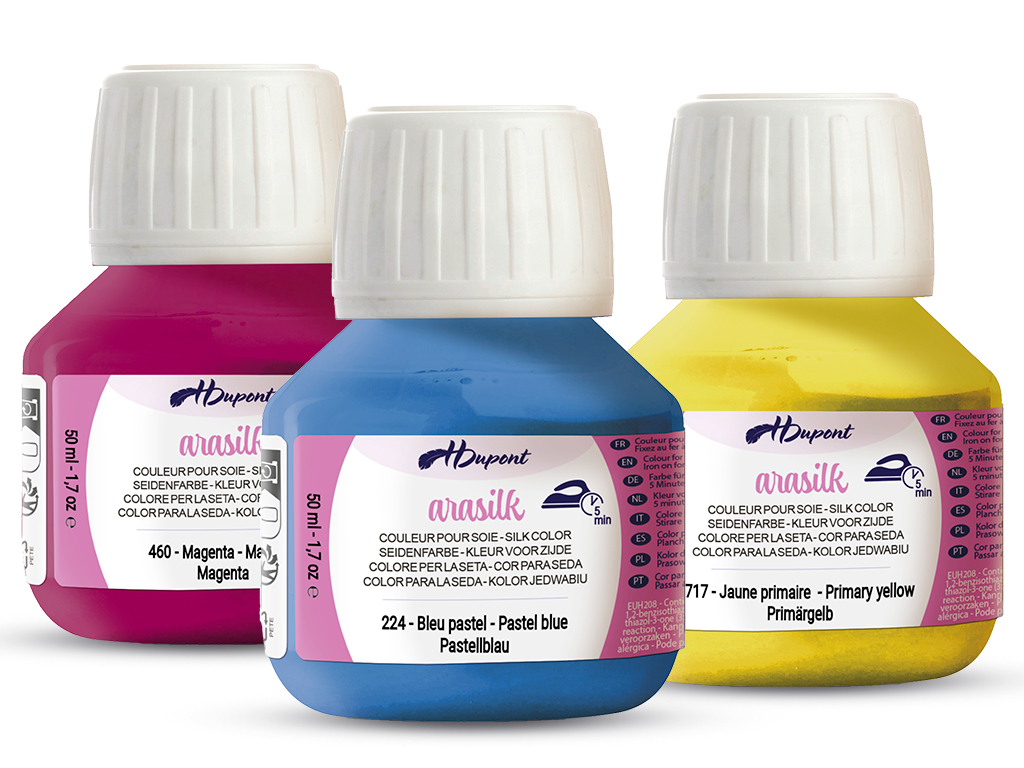
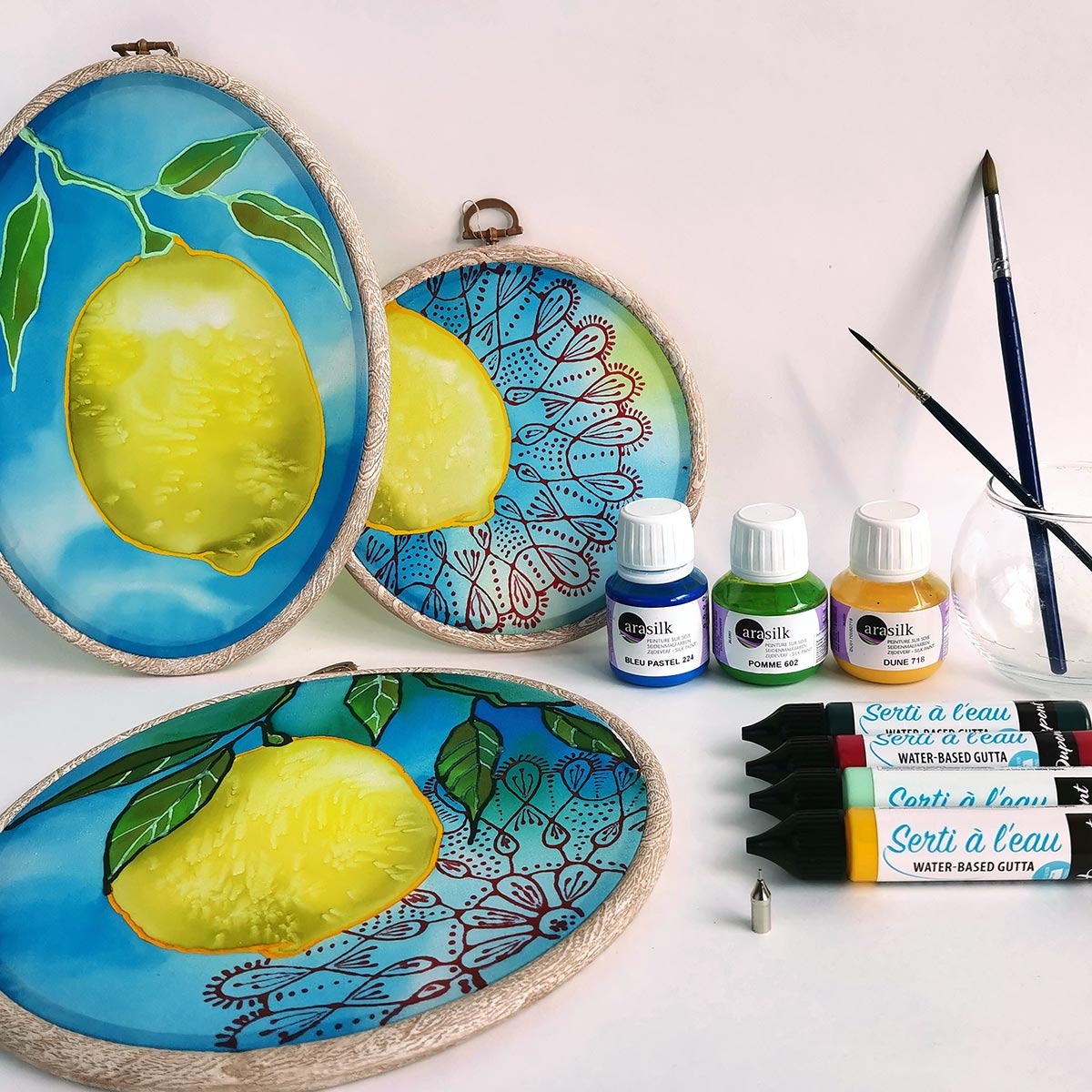
- Dupont Arasilk is a fluid, transparent silk paint that is fixed with an iron. As it does not require a silk steamer, it is well suited to use at home and to first silk painting projects. Follow the product instructions when ironing and take the heat tolerance of your silk into account.
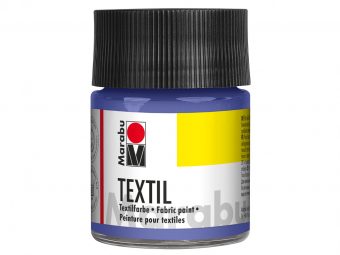
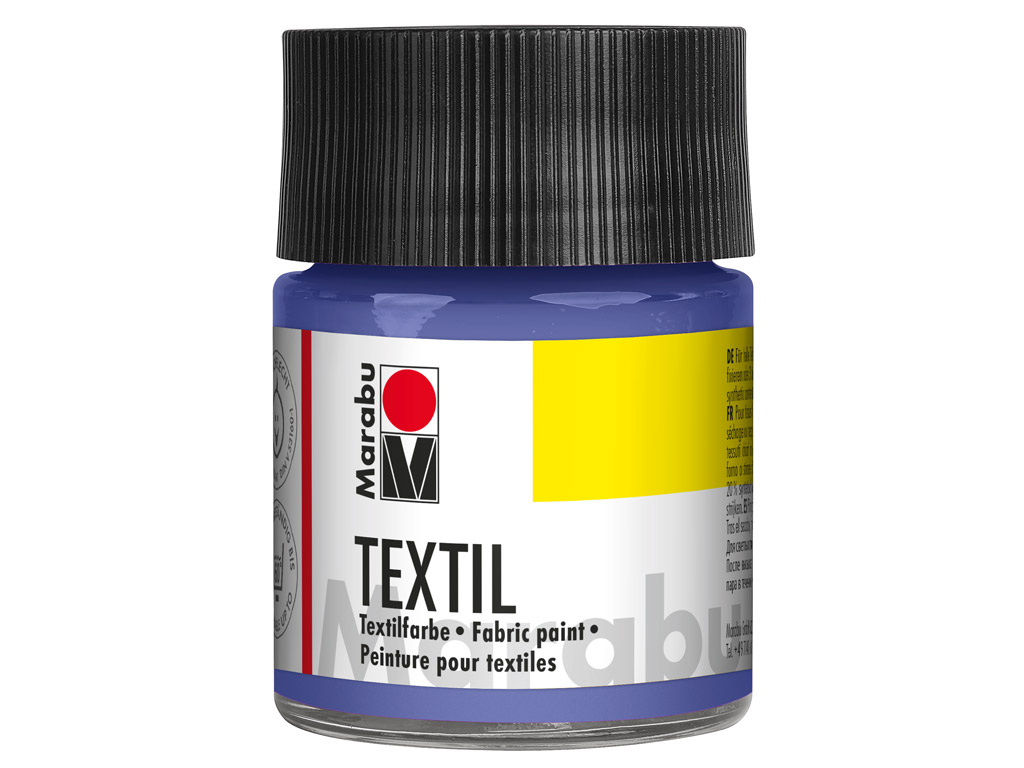
- Marabu Textil is a thicker fabric paint that can be used on silk for small motifs, brushstrokes, stencilled designs and details. Unlike specialised silk paint, it sits more on the fabric surface and does not spread in the same way. A thick layer may therefore make fine silk slightly stiffer. Apply it sparingly and test it on a sample first.
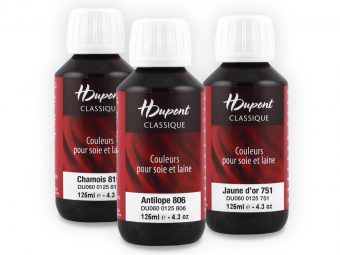
- Dupont Classique is a fluid, transparent silk paint that soaks into the fibres, leaving the silk soft and the colours vivid. It suits free painting as well as gutta, salt and batik techniques. Once dry, the painted silk is fixed in a dedicated silk steamer according to the paint and equipment instructions. Any unfixed dye is then washed out.
How can you control the spread of silk paint?
A silk paint outline or liquid wax can help control how quickly paint spreads across silk. Both stop the paint from travelling into selected areas, but create different effects.’
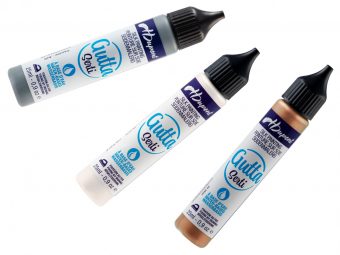
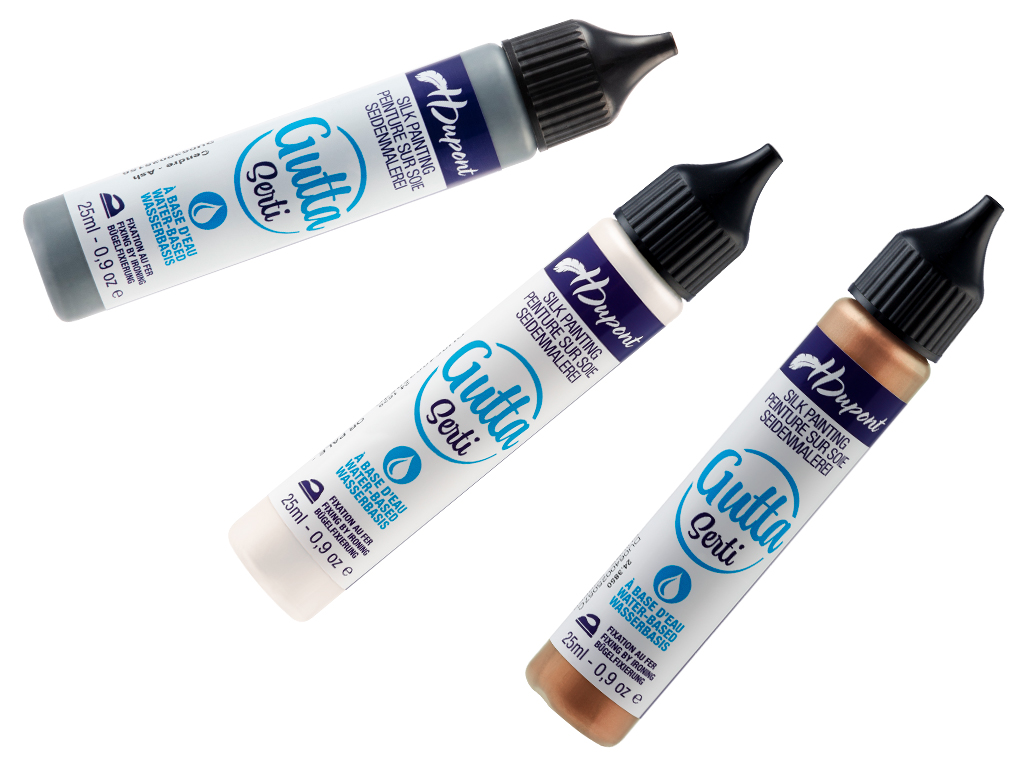
- Dupont Gutta Serti silk paint outline is a water-based medium for creating clear outlines and enclosed areas of colour. Apply it to the silk before painting and let it dry completely. The lines must be continuous, as fluid silk paint can seep through even a small gap.
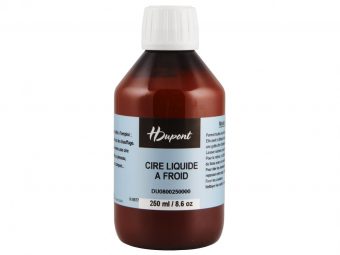
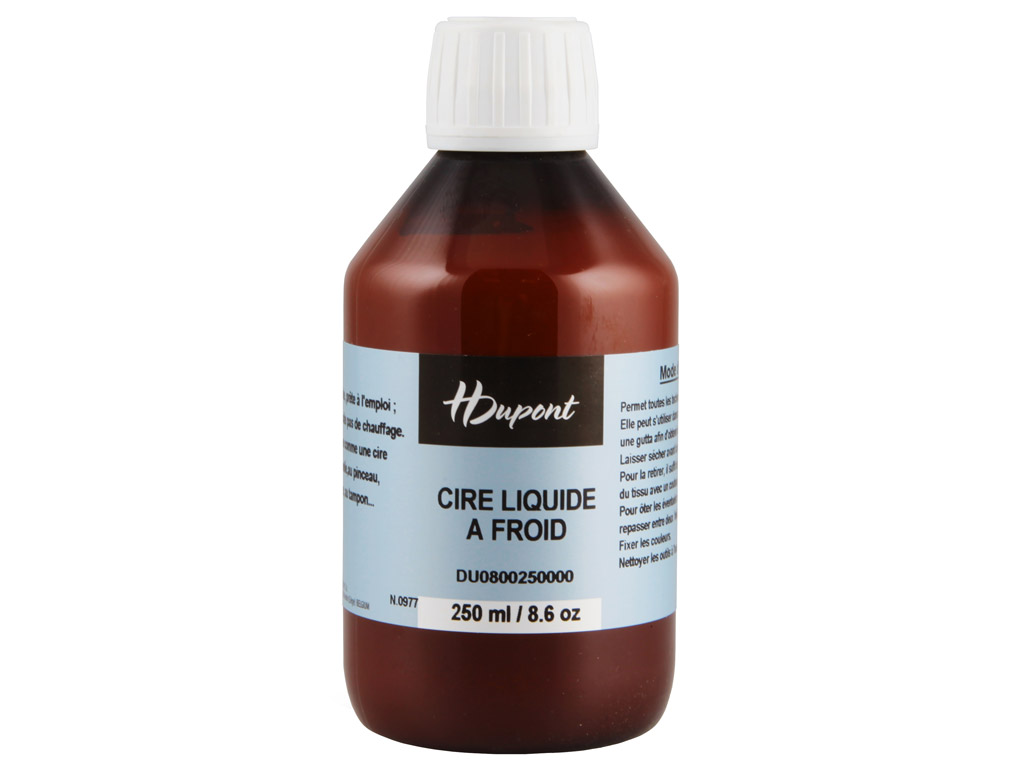
- Dupont liquid wax is suited to looser unpainted shapes and batik-like effects. It can be applied cold with a brush, sponge, stamp or applicator. Areas covered with wax do not absorb the paint. By applying wax and colour in layers, you can build up multicoloured patterns. Once the work is finished, remove the wax according to the product instructions.
Which paints should you choose for leather?
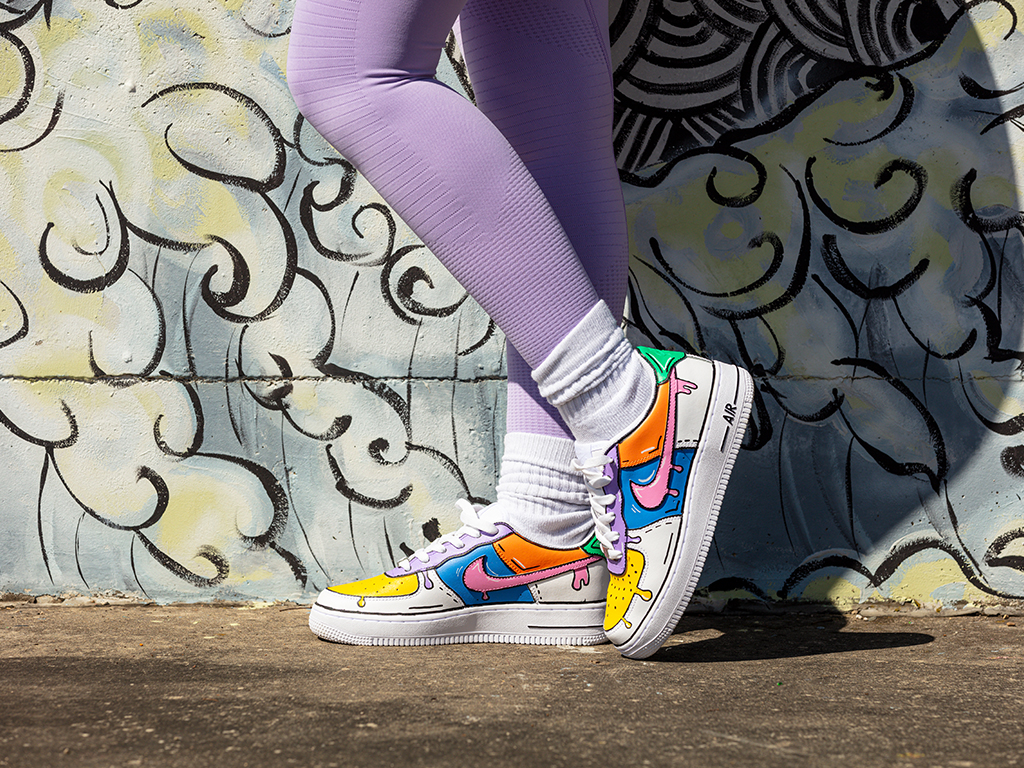
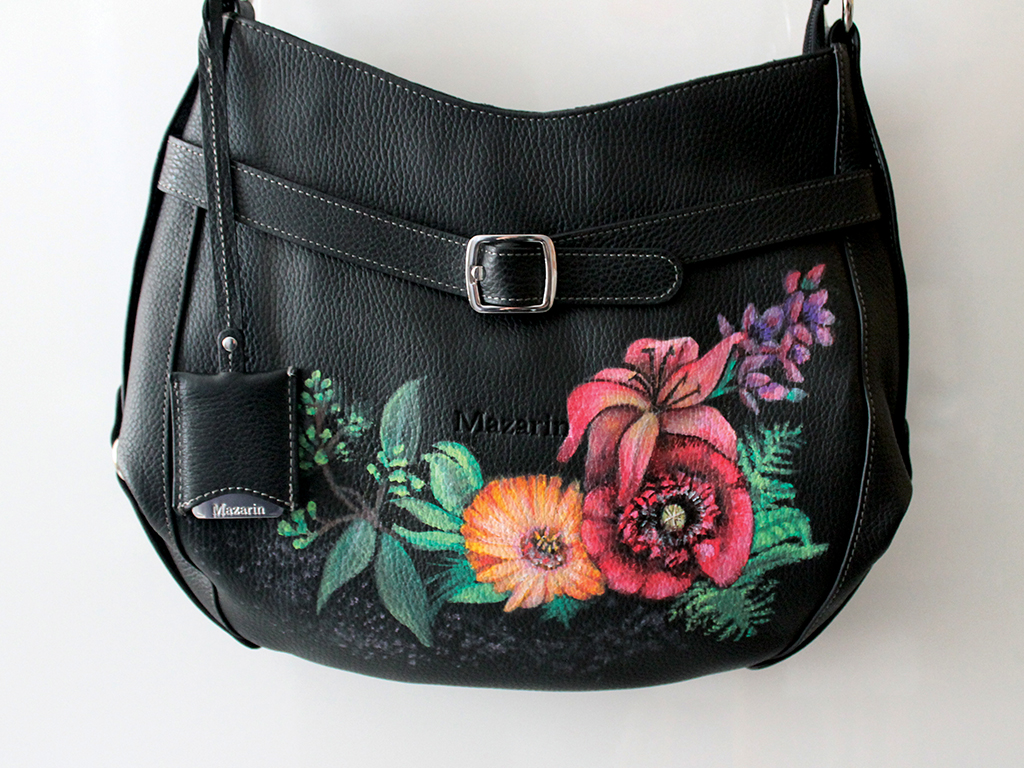
Paint can be used to refresh or decorate leather shoes, bags, belts and other items. Because leather flexes during use, it is best to apply several thin coats of paint, letting each one dry before adding the next.
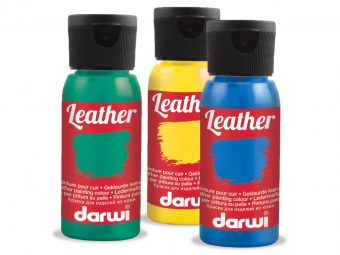
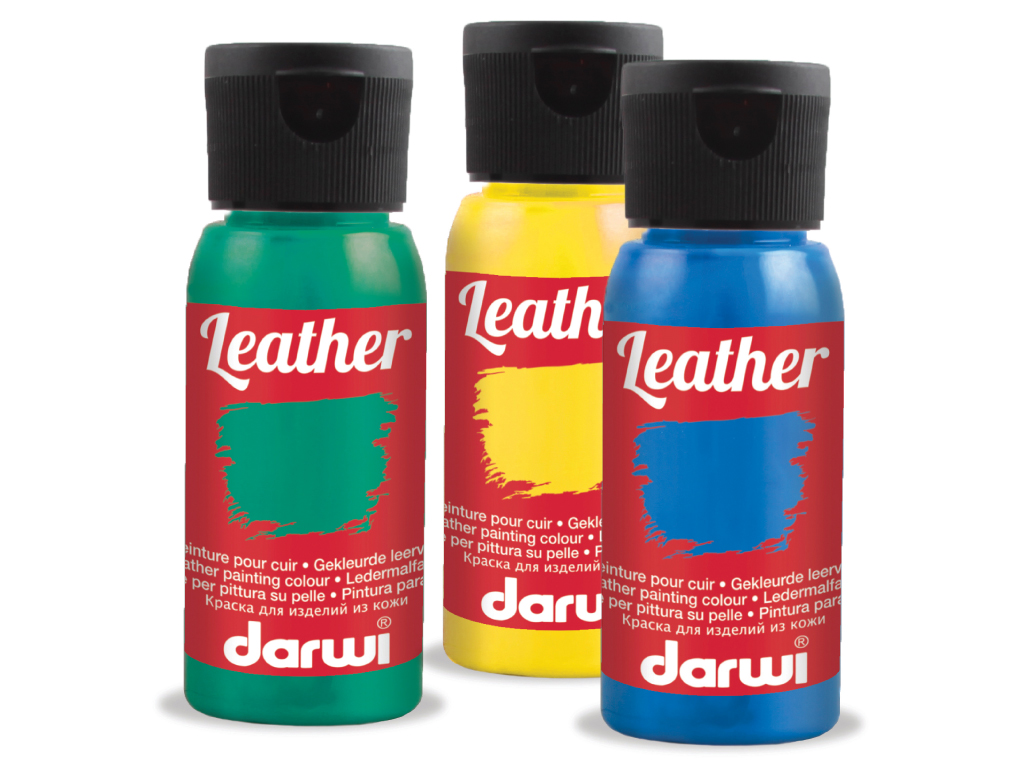
- Darwi leather paints are applied with a brush and suit both larger areas of colour and smaller motifs. Several thin coats help create a more even, flexible result.
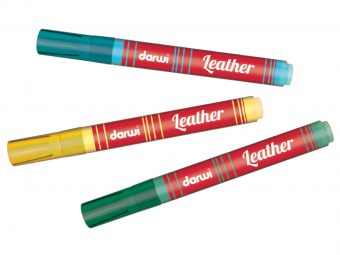
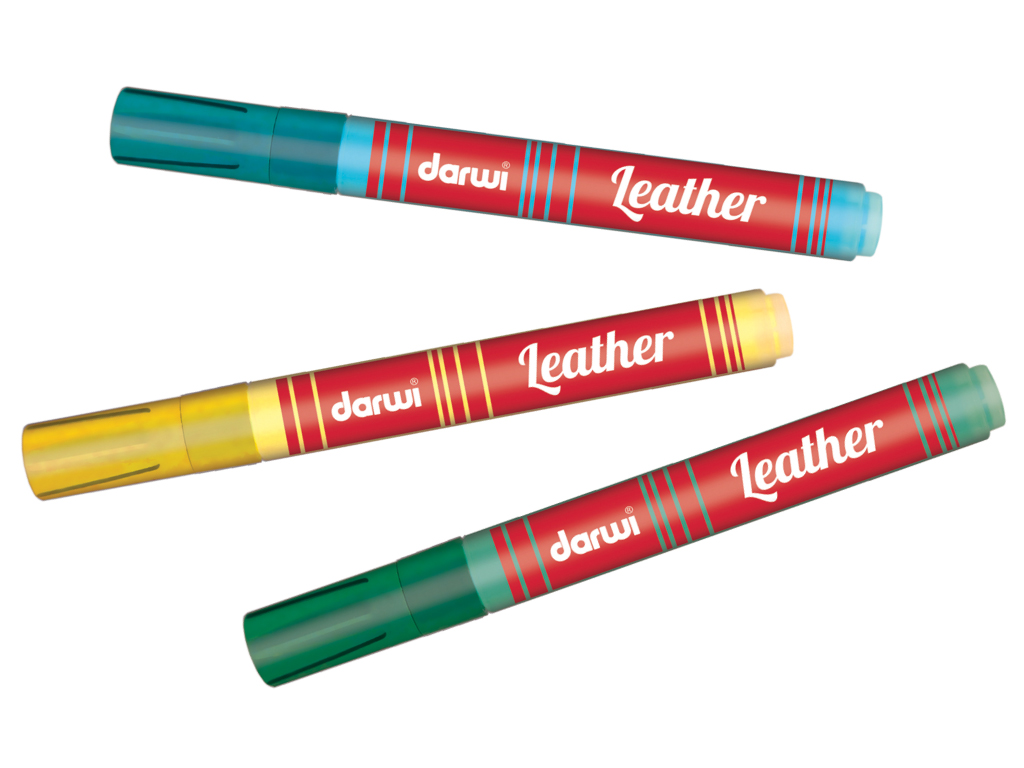
- Darwi leather markers are suited to lines, lettering and details. They can be used on their own or alongside brush-applied leather paints.
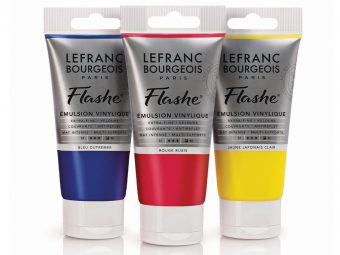
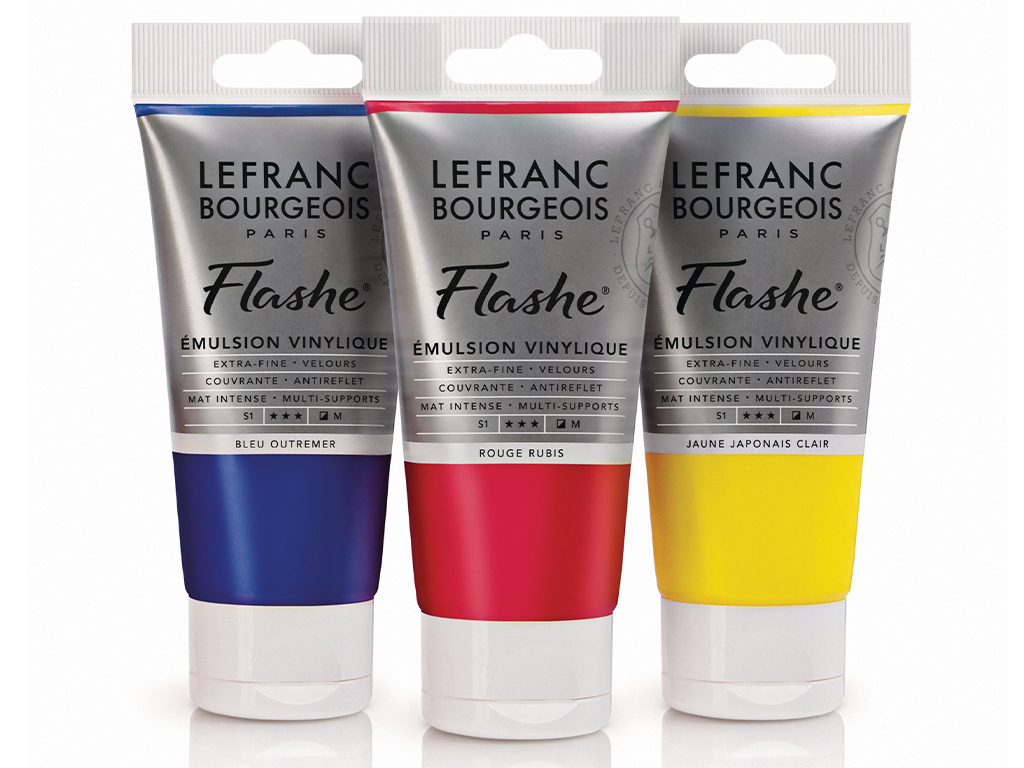
- Lefranc Bourgeois Flashe is an acrylic-vinyl paint with a matte finish that can also be used on leather. It remains more flexible than conventional acrylic paint, but its adhesion and suitability should first be tested on an inconspicuous area.
Before painting, clean the leather to remove dirt, grease and any protective coating. Paint may not adhere well to very smooth, varnished or heavily treated leather. While painting, try to keep the item in its natural shape. For example, you can place stuffing inside a shoe.
What should you keep in mind before starting?
With both silk and leather, it is worth testing the paint and technique on a sample or an inconspicuous area first. The material and its surface treatment can affect how the paint absorbs, adheres and looks when dry. For a lasting result, prepare the surface carefully, follow the paint’s fixing instructions and allow each coat to dry completely. When painting on leather, use several thin coats. With silk paints, pay particular attention to the fixing method required for the paint you choose.
With suitable materials and a little preparation, you can create distinctive designs on both silk and leather while preserving the qualities of each material.