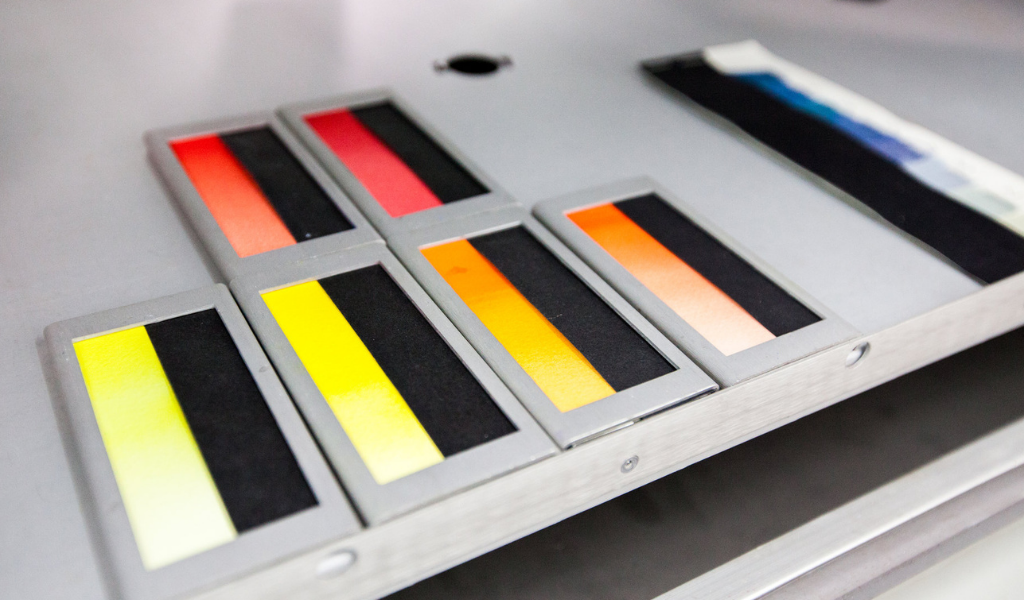
Lightfastness is one of the most important quality indicators of art materials, showing how well a pigment withstands the effects of light over time. When an artwork is exposed to daylight or strong artificial light, some colors may fade or shift over the years. This makes lightfastness especially important for works intended for display, sale, or long-term preservation. The marking on a paint tube, pencil, or marker is not just a technical detail, but information about how permanent your work will truly be.
What Affects Lightfastness?
Lightfastness primarily depends on the properties of the pigment. The pigment gives color its character and largely determines how well it will last over time. Some pigments are chemically very stable and can withstand light exposure for decades without noticeable change. Others are more sensitive and may gradually fade or shift in tone under strong light.
It is also important to distinguish between pigments and dyes. A pigment is a solid substance that is dispersed in a binder but does not dissolve in it. Most professional art materials are based on pigments. A dye, on the other hand, dissolves completely in the binder. It is more commonly used in inks, markers, and some lower-cost products. Dyes can produce very vibrant and transparent colors, but are generally more sensitive to light.
In addition to the type of pigment, lightfastness is influenced by pigment concentration and its interaction with the binder. The same pigment code may behave slightly differently across brands or product ranges, depending on how much pigment is used and which binder it is combined with.
Display conditions also play a role. Direct sunlight, strong gallery lighting, and UV radiation can accelerate changes. Works displayed behind glass, in diffused light, and in stable conditions will last significantly longer. For this reason, lightfastness is not only a property of the material, but part of a broader interaction between materials and environment.
How Is Lightfastness Measured?
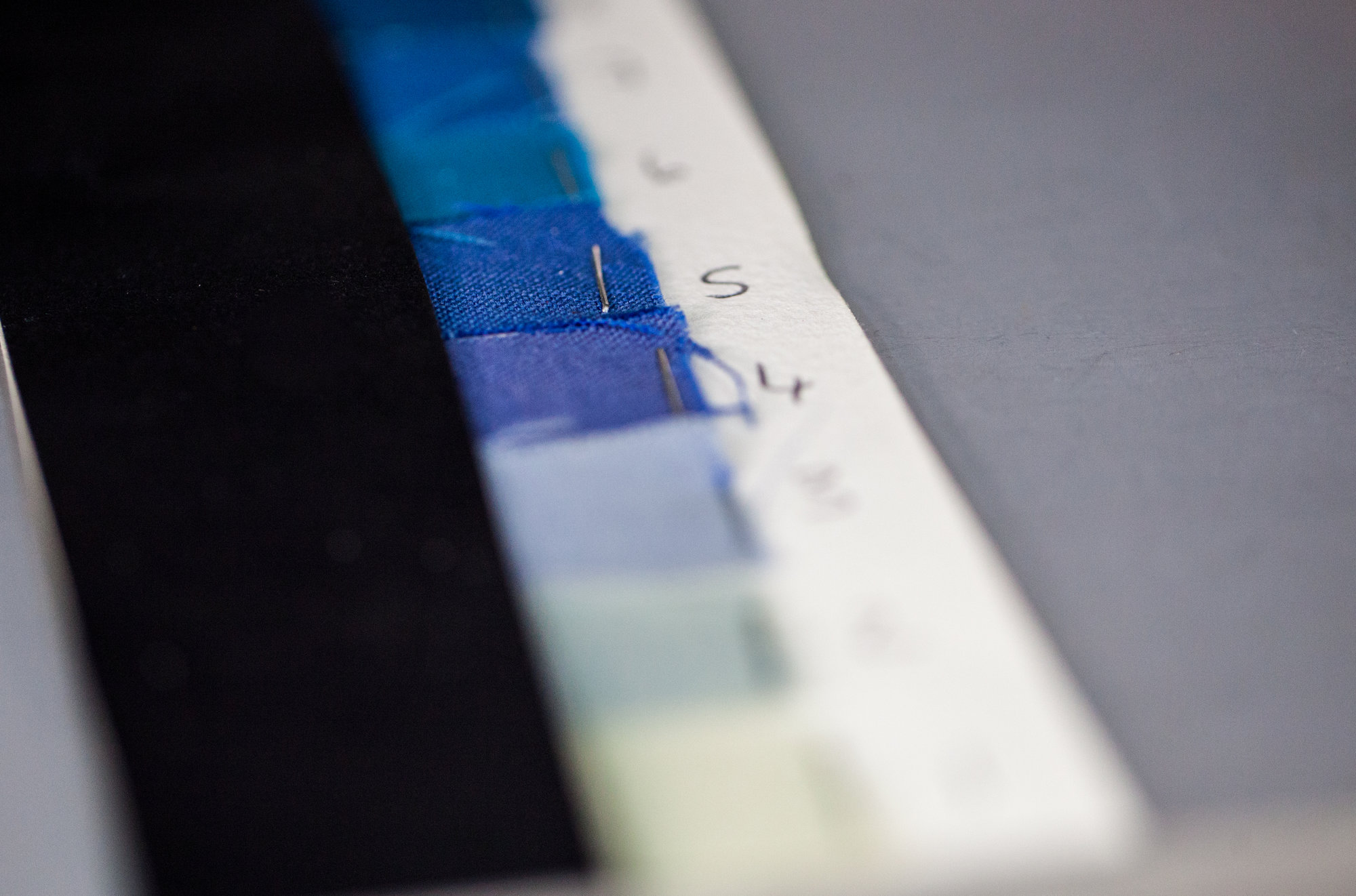
Lightfastness is tested under controlled conditions, where a layer of color is exposed to strong light over a long period. The result is evaluated based on how much the color changes. The smaller the change, the higher the rating.
One of the most widely used systems is the international ASTM standard, marked with Roman numerals. This system indicates how long a pigment can remain unchanged when exposed to light.
In general, the ratings mean:
I – Excellent lightfastness. The pigment can remain unchanged for over 100 years when properly displayed and preserved.
II – Very good lightfastness. Estimated durability of 50 to 100 years.
III – Moderate lightfastness. The color may change within 15 to 50 years.
IV and V – Low lightfastness. The pigment may noticeably change within a few years.
In addition to the ASTM system, some products use a star rating, where more stars indicate better resistance.
It is also important to distinguish between lightfastness and permanence. Some manufacturers use a letter-based scale such as AA, A, B, C, or D, which refers more broadly to permanence. Permanence includes not only resistance to light, but also factors such as chemical stability and how the pigment behaves in the binder over time.
Because of this, different systems are not always directly comparable. Manufacturers may also use different testing methods, meaning that the same pigment can receive slightly different ratings depending on the brand.
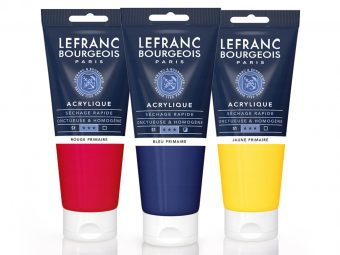
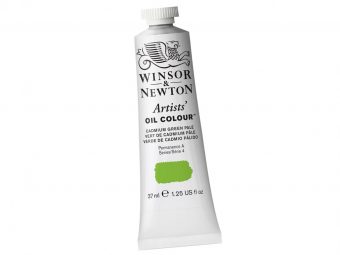
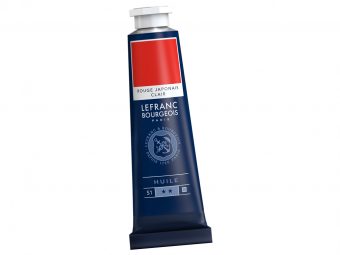
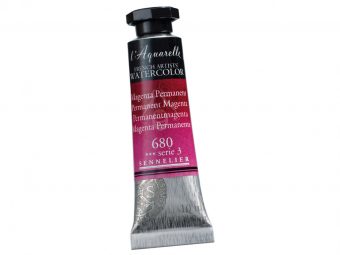
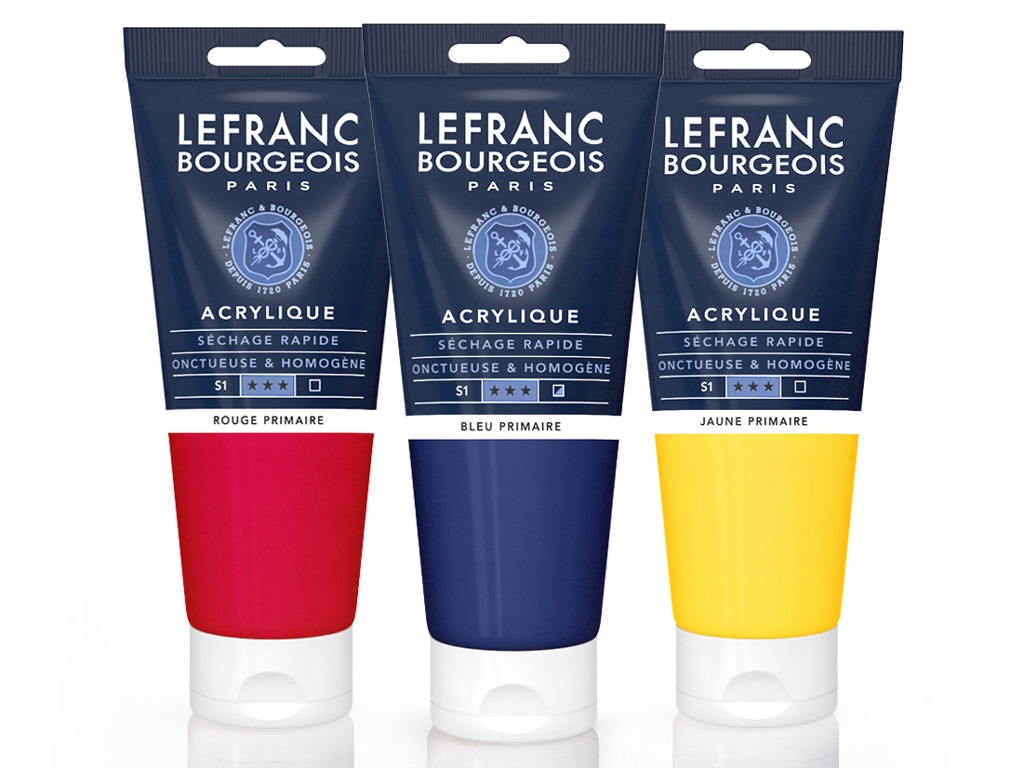
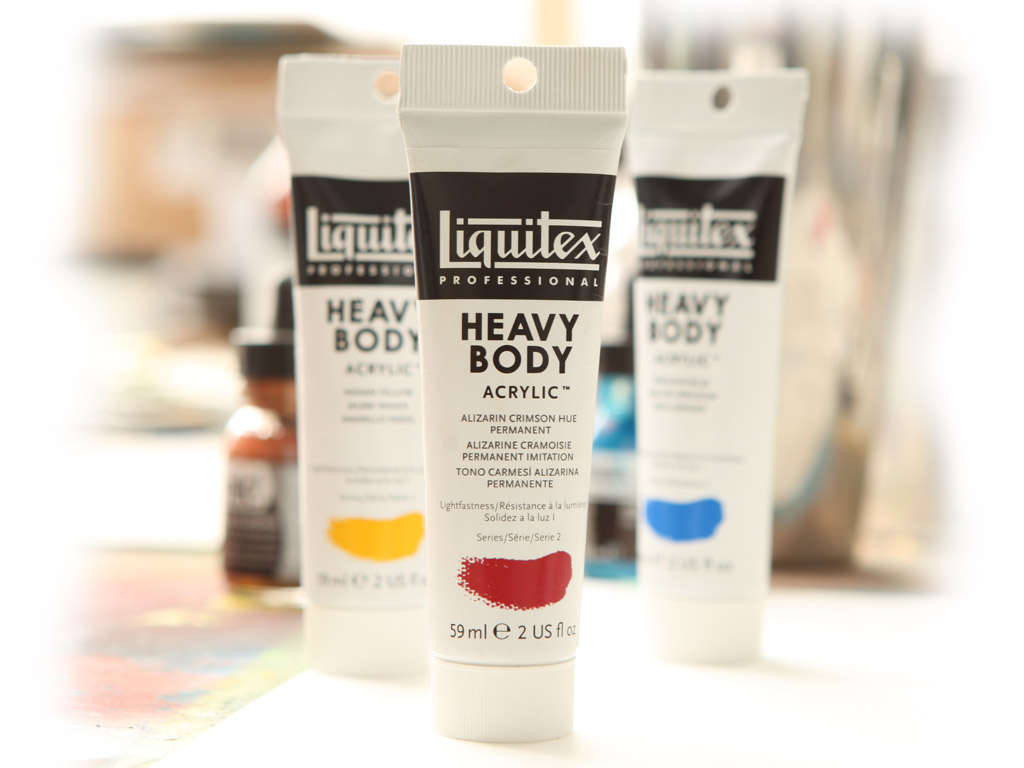
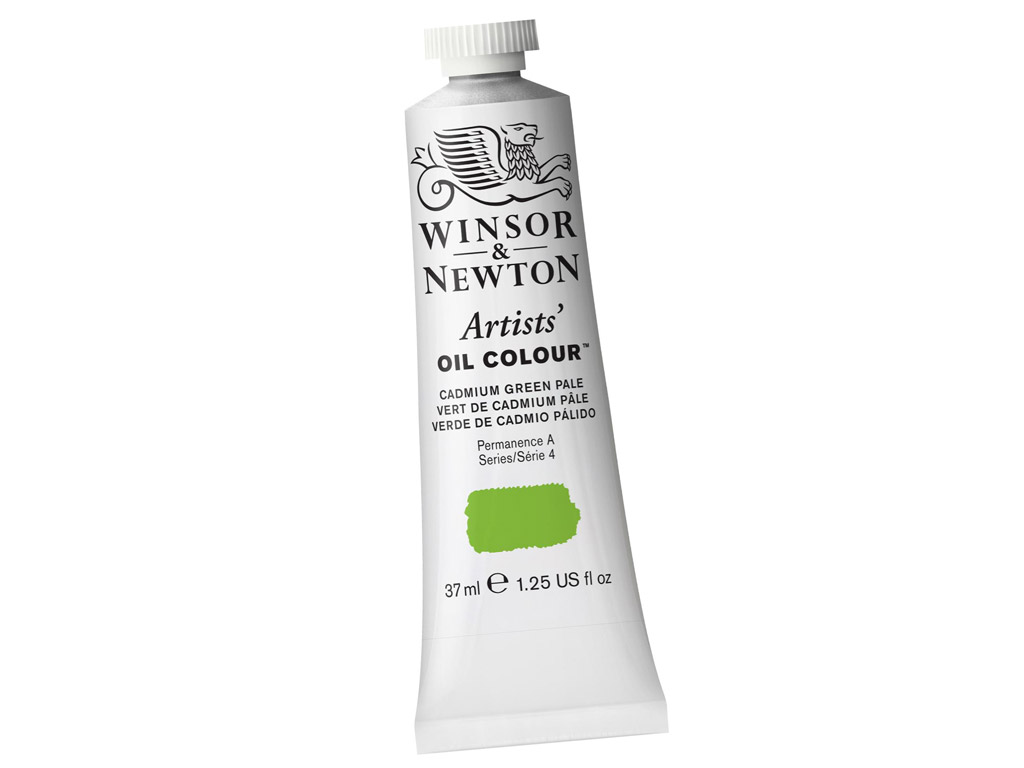
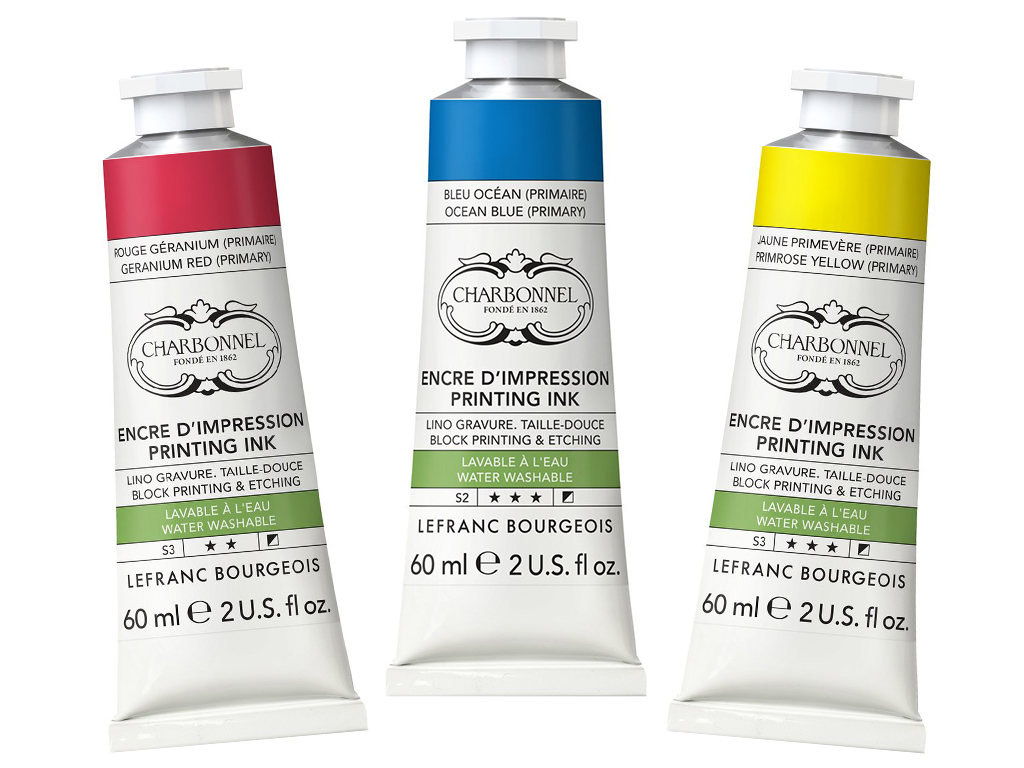
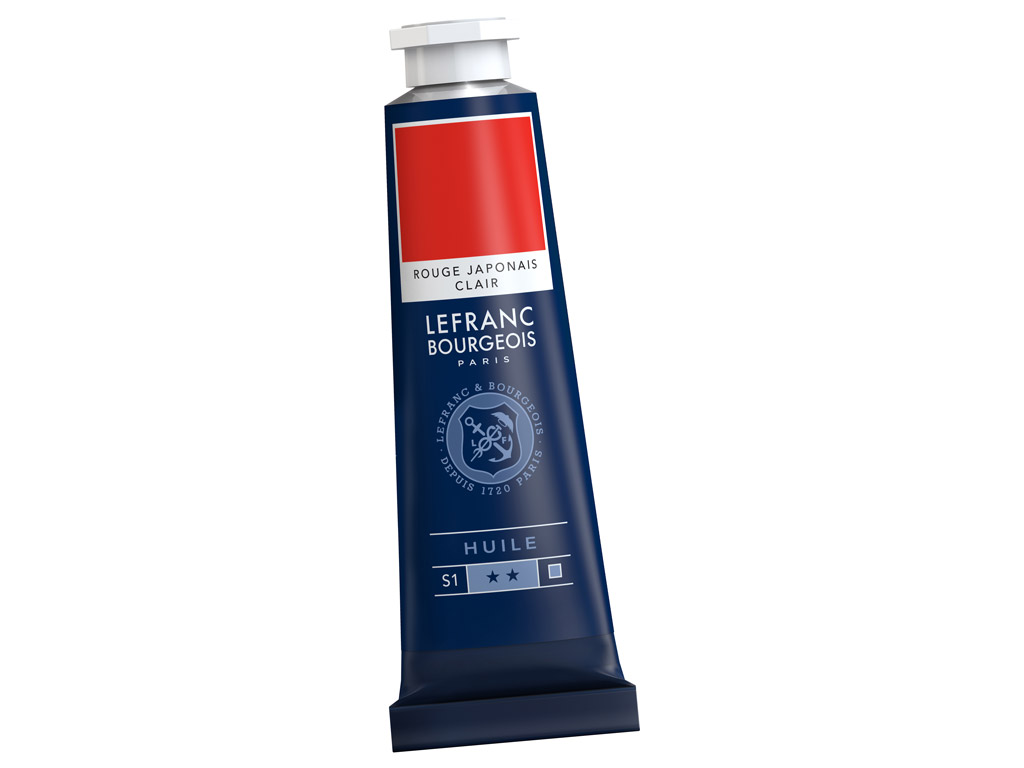
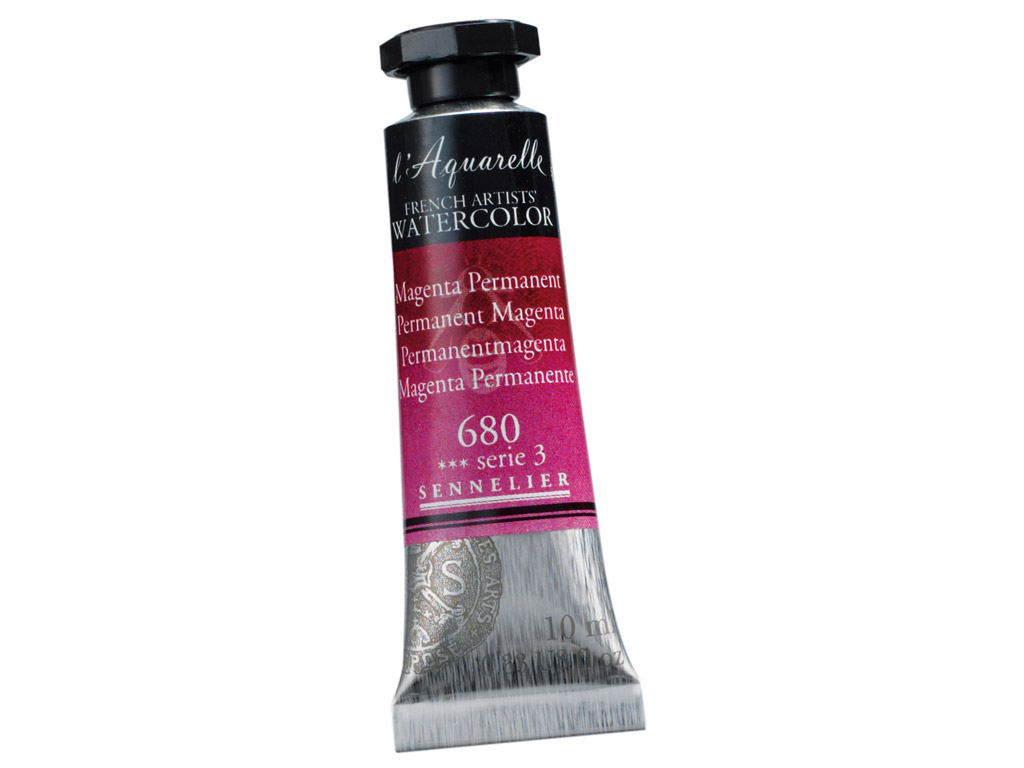
PS! Lightfastness ratings are usually marked directly on the product or its packaging. On paint tubes and bottles, this information is typically found on the label alongside pigment codes and other technical details. For some products, such as colored pencils, the rating may instead be provided on the packaging, color chart, or in the manufacturer’s technical information.
Lightfastness in Different Techniques
The importance of lightfastness can vary depending on the technique, but in all cases the key factor is the quality and composition of the pigment.
- Watercolor – In watercolor, the paint layer is thin and the pigment remains relatively unprotected on the paper surface. If low lightfastness colors are used, the work may fade noticeably over time, especially when exposed to natural light. It is therefore recommended to choose colors with a high lightfastness rating.
- Acrylic and Oil Paint – In acrylic and oil painting, the paint layer is usually thicker and the binder offers more protection to the pigment. However, this does not mean that all colors are equally permanent. The long-term stability of the work still depends on the properties of the pigment, especially if the piece is intended for sale or gallery display.
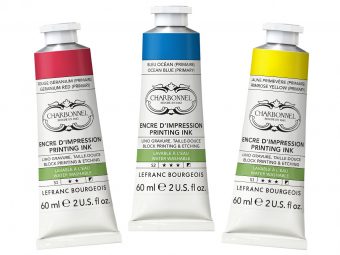
- Ink – With inks, lightfastness is closely related to whether the product is pigment-based or dye-based. Pigment-based drawing and artist inks are generally more lightfast and suitable for original works intended for preservation or sale. Dye-based inks can produce intense colors, but their resistance to light is often more limited.
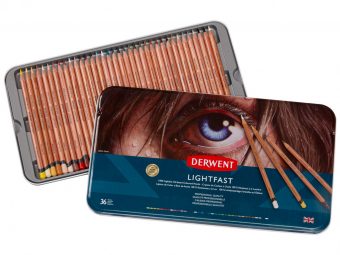
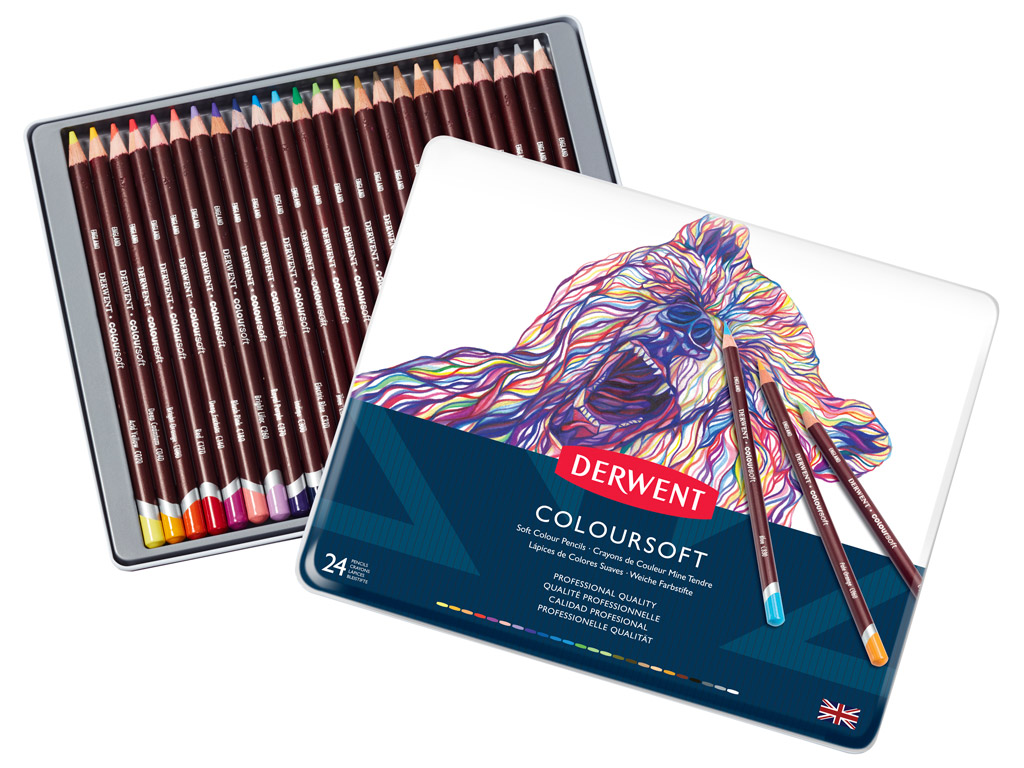
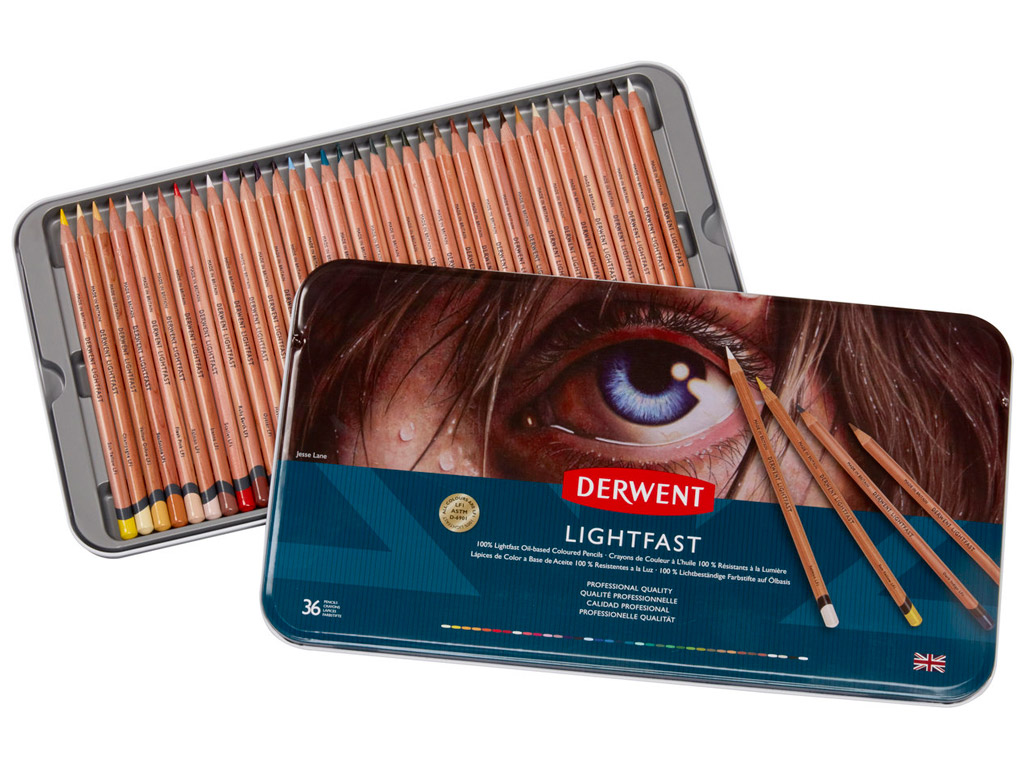
- Colored Pencils – Not all colored pencil tones are equally permanent. Lightfastness ratings are usually not marked on the pencil itself, but can be found on the packaging, color chart, or in the manufacturer’s technical information. For original illustrations and commissioned work, it is recommended to choose colors with higher ratings to prevent fading over time.
The Longevity of an Artwork as a Whole
Even highly lightfast pigments do not guarantee complete permanence if a work is exposed to direct sunlight or unstable conditions. Lightfastness describes the pigment’s resistance to light, but the longevity of an artwork is also influenced by framing, support materials, and environmental conditions.
UV-protective glass, acid-free papers and canvases, and stable temperature and humidity help reduce changes over time. Lightfastness is therefore part of a broader, material-aware approach that helps preserve the visual quality of a work for years to come.
Choosing materials consciously is not only about finding the right color, but also about understanding how that color behaves over time. This knowledge gives the artist confidence that their work will remain as unchanged as possible.